Historical exploration in Cēsis, Latvia, reveals a captivating realm beyond the prominent castle tours. The 18th-century manors surrounding the region serve as significant testaments to the agricultural prosperity and cultural richness of the era. Each manor, with its unique architectural characteristics, tells intricate stories of nobility and local craftsmanship, while also reflecting the agricultural developments that shaped life during this time. Engaging with these sites fosters a deeper understanding of Cēsis’ heritage, illuminating connections that transcend time.
While Cēsis Castle is often the primary focus of visitors, the surrounding manors provide a compelling narrative that is worth exploring. These estates acted as cultural centers, affecting education and social relations among the local nobility and the peasant classes. By embracing these lesser-known sites, visitors can enrich their experience in Cēsis and gain a more nuanced perspective on the cultural tapestry of local history.
Delving into the lesser-known manors of Cēsis invites a closer look at the intricacies of Latvia’s past. The following sections explore unique architectural features, significant stories of resilience, and practical advice for touring these noteworthy sites. This guide aims to invite readers to discover a heritage that is often overlooked.
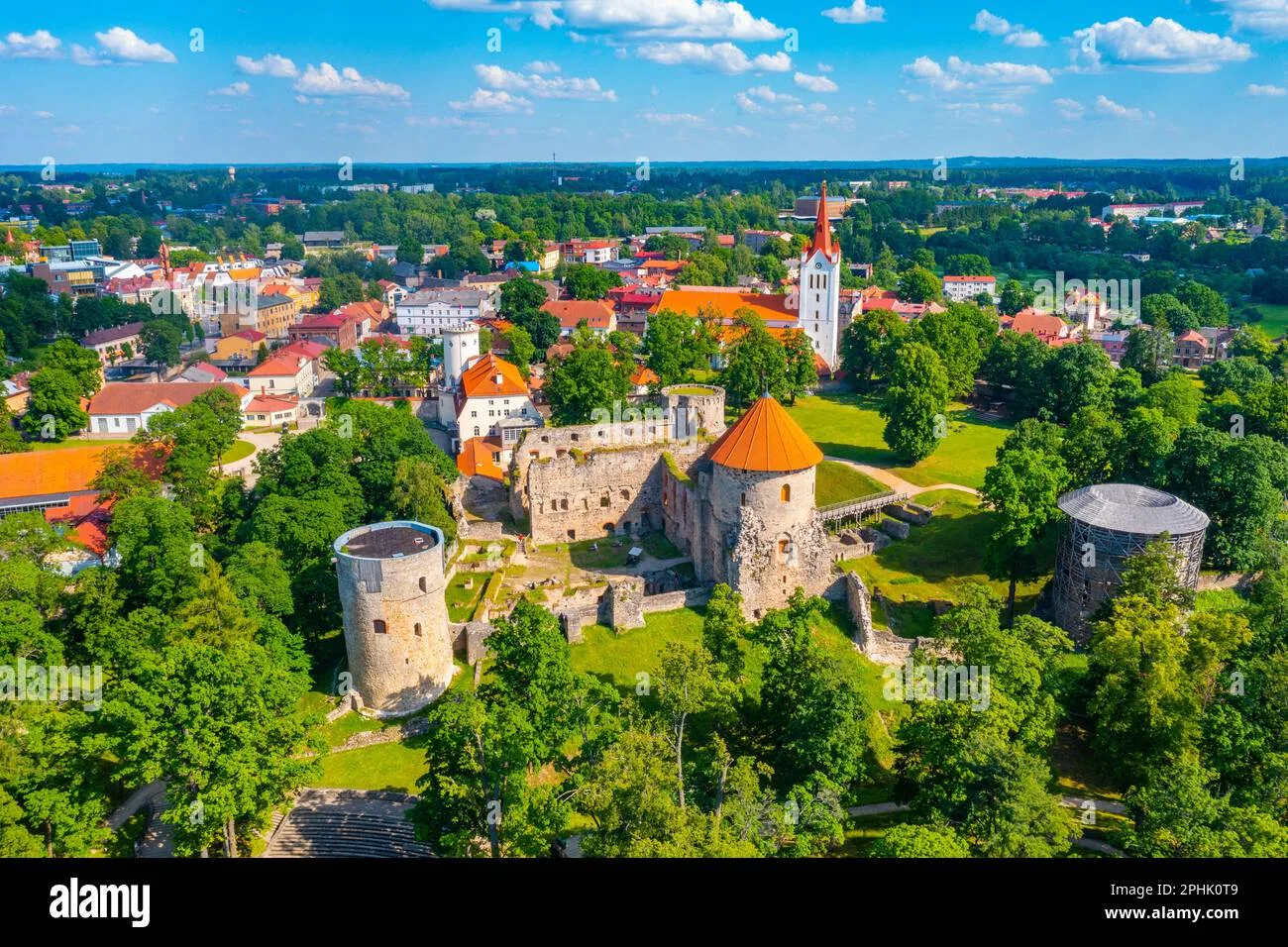
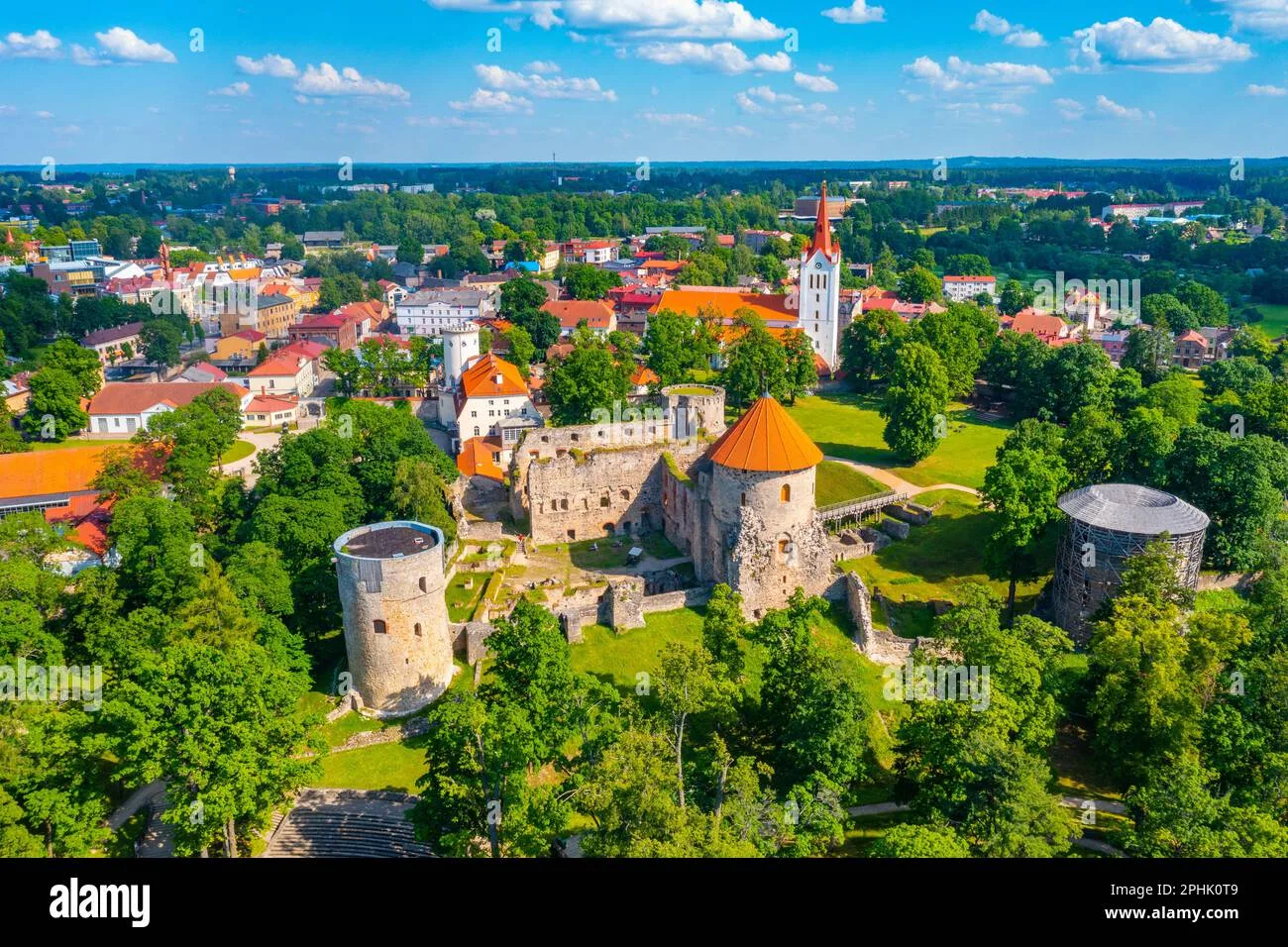
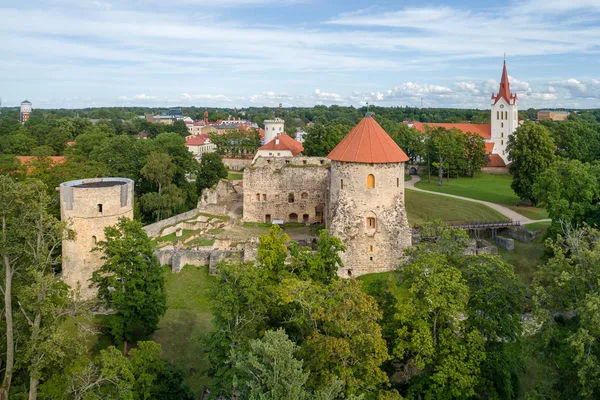
Description of Cēsis’ landscape, including the castle (Source: Enter Gauja)
Diving Deep Into Architectural Wonders
The architectural styles of 18th-century manors in Cēsis highlight a notable transition from baroque to classical designs. The unique features of these manors draw the attention of architectural enthusiasts and historians alike, inviting them to examine the craftsmanship that characterized this era.
Baroque architecture is marked by its elaborate ornamental designs, intricate facades, and dynamic shapes that illustrate the wealth of influential families. In contrast, classical architecture, which gained prominence later in the century, emphasizes simplicity, symmetry, and a return to the principles of antiquity. Visitors can observe how these styles coexist, often within a single structure, providing insight into the architectural transformations of the 18th century.
Additionally, Cēsis’ manors adapted to cultural shifts driven by Enlightenment thought, resulting in the incorporation of libraries and spaces for intellectual gatherings within these estates. The influence of well-traveled landowners who brought European ideas back to Cēsis contributed greatly to the enrichment of architectural landscapes.

Example of Cēsis classical architecture reflecting the transition of styles (Source: Enter Gauja)
Stories of Resilience and Change In The Manors
The 18th century in Cēsis was not just an era defined by architectural change; it also encompassed numerous stories of perseverance and transformation within the local culture. Each manor encapsulates unique narratives from its residents, reflecting broader societal shifts taking place in Latvia during this period.
Local manorial life featured complex relationships between the nobility and the peasantry. Notable families, such as the von Sievers and von Koskul, who owned multiple estates in the region, played significant roles in shaping the social dynamics of Cēsis. Historical records indicate that these families often implemented agrarian reforms, improving the conditions for their peasant workforce and acknowledging their rights.
The cultural exchanges at these manors were equally important. Estate grounds frequently hosted cultural events centered on music and art, showcasing performances and exhibitions that celebrated local traditions. Even today, the legacy of these cultural exchanges can be felt, as many manors continue to serve as venues for modern cultural activities.

Historical portrait reflecting Birini Manor’s significance (Source: Enter Gauja)
Your Path to These Hidden Histories
Exploring the lesser-known manors around Cēsis is an accessible endeavor for those interested in engaging with the region’s rich past. Visitors can follow designated routes connecting various estates, allowing them to appreciate the diverse architecture and historical significance of each site.
Recommended itineraries often include Cēsis Castle along with nearby manor estates, such as those owned by the von Sievers and von Koskul families. Transportation options are readily available, including local bus services and guided tours, making it straightforward for visitors to travel to these locations.
A well-planned visit can encompass a single day, providing an opportunity to enjoy local culinary delights that further enhance the cultural experience. Engaging with knowledgeable local guides can deepen understanding of each site’s history, enriching the overall visit.

Travel map illustrating routes through Cēsis (Source: Enter Gauja)
Convincing Your Friends To Join This Journey
For those wishing to share the charm of Cēsis’ manors with friends and family, creating a compelling narrative is essential. Emphasizing the historical and cultural importance of these sites can generate interest and foster participation in the exploration.
Highlighting intriguing local folklore and anecdotes about notable figures associated with the estates can enhance the appeal of these venues. Moreover, underscoring the unique architectural features and scenic landscapes can build excitement for the journey ahead. Practical considerations such as easily navigable routes and opportunities to experience local cuisine add further incentive to visit.
Incorporating group activities, such as attending cultural festivals held at the manors or participating in workshops, can create an atmosphere of engagement that encourages collective exploration of Cēsis’ rich history. By framing these visits as opportunities to connect with heritage while bonding with companions, the allure of Cēsis’ historical treasures becomes more evident.

Cultural event showcasing local traditions in Cēsis (Source: Cēsis Municipality)
Exploring Cēsis’ 18th-century manors provides an insightful window into Latvia’s past. By venturing beyond the commonly visited castle tours, visitors can connect with the historical essence that each manor embodies.
The stories, architectural features, and socio-cultural dynamics embedded within these estates collectively invite history enthusiasts and cultural explorers to embark on a journey through time, revealing a heritage that deserves recognition. Cēsis remains a significant representation of the region’s cultural vibrancy, fostering appreciation for the intricate tapestry of its historical narrative.