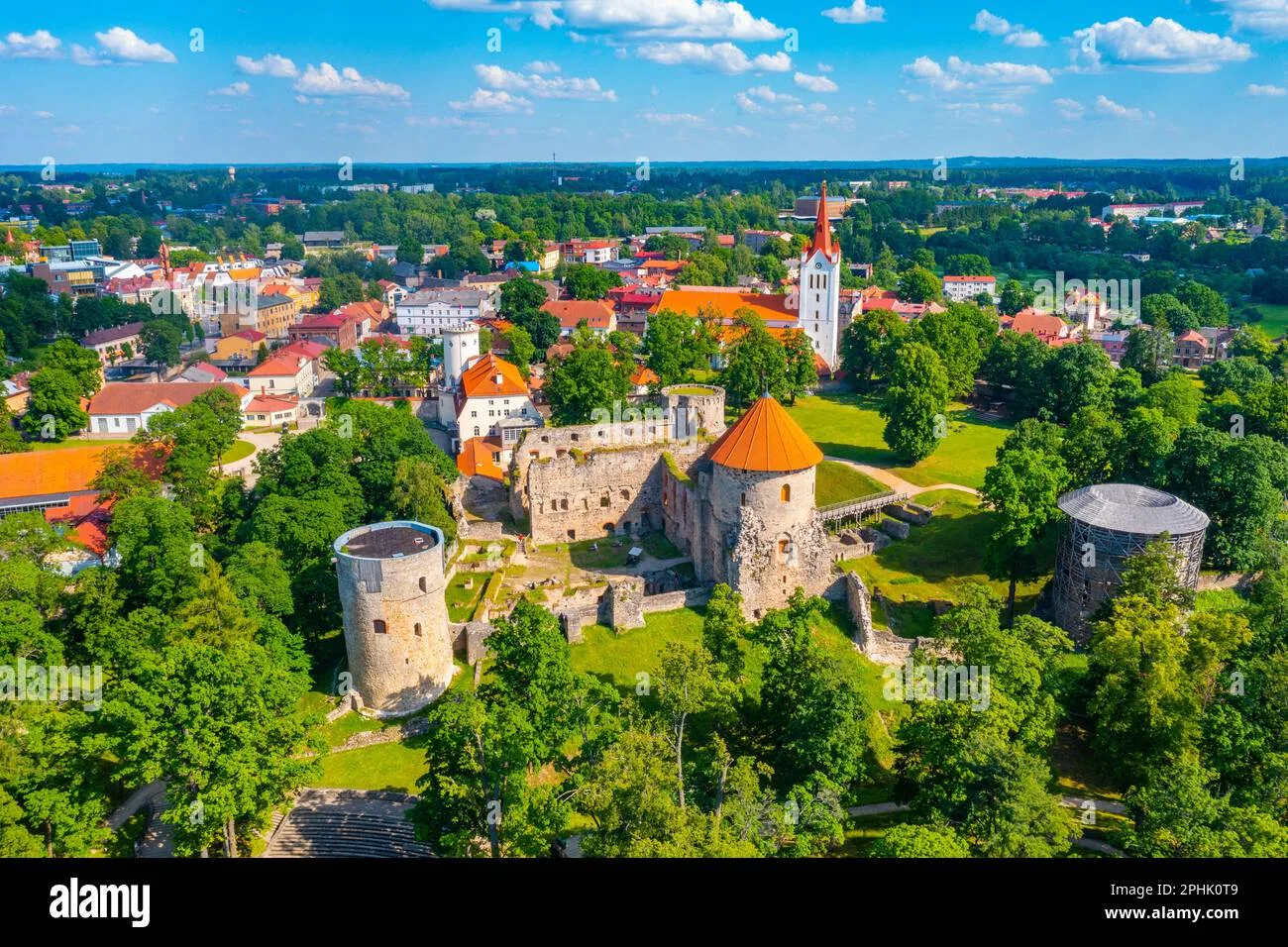
Cēsis, a charming town in Latvia’s Vidzeme region, stands out for its impressive Art Nouveau architecture. This architectural style, characterized by its intricate designs and flowing forms, creates an inviting atmosphere that’s perfect for both cultural tourists and architecture enthusiasts. In Cēsis, you’ll find a remarkable collection of buildings that vividly reflect the artistic and historical heritage of the early 20th century.
The Art Nouveau movement took root in Cēsis during the late 19th and early 20th centuries, showcasing a parallel evolution to similar trends across Europe. Known for its decorative arts, this style is marked by ornate details and a harmonious blending with nature, making the town a living canvas of artistic expression.
In 2021, a walking route was introduced, allowing visitors to explore 11 key buildings that exemplify this architectural richness. By following this guide, you can uncover the stories behind each structure, learn about their architects, and appreciate the artistry that defines Cēsis. Whether you prefer to stroll leisurely through the streets or capture photographs of the vibrant facades, this guide aims to help you fully embrace the Art Nouveau experience in Cēsis.
Unraveling Cēsis: The Art Nouveau Treasure of Latvia
Cēsis offers an unparalleled artistic experience that serves as a narrative of Latvian architecture. With its rich concentration of Art Nouveau buildings, Cēsis is not merely a city; it is a historical archive that documents the evolution of design and urban planning influenced by national romanticism.
As you traverse the town, you’ll notice various structures representing iconic examples of Art Nouveau style, each with its distinct character. Notable sections of Rīgas iela and Raunas iela are home to striking facades adorned with elaborate decorative motifs and elegant proportions that resonate with the values of the time when they were constructed.
The walking trail established in 2021 perfectly complements your exploration by guiding you through the heart of these architectural gems. Spanning roughly 2.15 km, this route lets you discover the narratives woven into the fabric of the town’s splendid structures.
Description of Cēsis Art Nouveau buildings (Source: Robert Harding)
Exploring Architectural Highlights: Notable Buildings to Discover
As you delve into Cēsis, several buildings will catch your eye, each serving as integral parts of the town’s architectural heritage. Rīgas iela 10, built in 1911, exemplifies the elaborate designs typical of Art Nouveau. This structure features a facade decorated with ornamental elements that marry aesthetics and practicality, housing elegantly designed shop fronts and detailed exteriors.
Next, make your way to Raunas iela 12, a 1913 construction characterized by its asymmetric facade adorned with distinct vertical divisions, a defining trait of the Art Nouveau movement. As you admire these buildings, consider how their design stories reflect both the architectural ambitions of their time and the unique cultural context of Cēsis.
Architect A. Malvess stands out for his significant contributions to the architectural landscape of Cēsis, leaving an enduring mark on the town’s visual identity. Exploring his works will provide you with insights into the ingenuity behind Art Nouveau architecture and its application in smaller urban centers.

Rīgas iela 10, an iconic Art Nouveau building (Source: Riga Art Nouveau Centre)

Raunas iela 12 showcasing asymmetric facades (Source: Redzet)
A Step-by-Step Journey: Crafting Your Own Cēsis Walking Route
To maximize your self-guided exploration of Cēsis, following the walking route is essential. Start your journey at the Cēsis Tourism Information Center, where you’ll find a printed map as well as access to the digital version online.
This route leads you through the heart of Cēsis’ Art Nouveau architecture, covering a total distance of approximately 2.15 km, allowing you to uncover key buildings with rich cultural significance in a comfortable timeframe of about 1.5 hours.
As you walk, consider making stops at local cafes for a breather and to enjoy some delicious Latvian treats. Cēsis boasts several welcoming establishments serving pastries, traditional coffee, and local dishes that will enhance your experience.

Walking route map for Cēsis Art Nouveau journey (Source: Cēsis 2025)
Hidden Gems: Lesser-known Art Nouveau Details to Appreciate
As you stroll the streets of Cēsis, don’t forget to appreciate the intricate details that make the Art Nouveau style so unique. Look for flowing lines, floral motifs, and delicately fashioned elements that adorn building facades. These subtleties often go unnoticed but are vital to understanding the depth of this architectural style.
Pay special attention to features such as decorative masks—known as maskaroni—that grace many facades, showcasing the creativity and craftsmanship of their builders. Observing these details enriches your experience and enhances your understanding of the artistry involved in Art Nouveau architecture.
Experts emphasize the importance of these details in preserving the cultural heritage of Cēsis, making efforts to maintain them essential for future generations. Take the time to embrace the uniqueness of each building and the artistry that defines their creation.

Art Nouveau details showcasing intricate design (Source: GetYourGuide)
Cultural Significance: How Art Nouveau Shaped Cēsis’ Urban Landscape
Art Nouveau has significantly influenced the urban landscape of Cēsis. The interplay of natural elements with architectural designs reflects the values of national romanticism, which emphasizes ties to cultural identity and heritage.
Each building contributes not only to the aesthetic appeal of the city but also to its historical narrative. Recent efforts to preserve these cultural landmarks, including funding initiatives to maintain their integrity, demonstrate a growing appreciation for this architectural style and its importance to the community.
Exploring Cēsis allows you to witness how architecture can shape urban planning and societal values, illustrating the symbiotic relationship between the structures and the communities they serve. Cēsis stands as a testament to the harmonious coexistence of historical preservation and contemporary life.

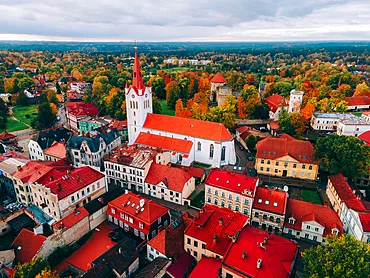
Cēsis in the early 19th century, reflecting its architectural heritage (Source: Wikimedia Commons)
Practical Information for Your Journey: Accessing Cēsis’ Architectural Marvels
Getting to Cēsis is straightforward, with various transport options including cars and buses that connect the town with Latvia’s major cities. Consider visiting during the spring and summer months to fully enjoy the town’s ambiance and architectural splendor.
You’ll find resources like the walking trail guide available in both printed and digital formats, which will enhance your exploration experience by efficiently directing you through Cēsis’ architectural wonders.
Many Art Nouveau buildings are conveniently accessible all year round, with well-maintained pathways that accommodate various visitors, including families and those with mobility challenges.

Essential tips for visiting Cēsis (Source: Visitors Coverage)
Conclusion
Exploring Cēsis through its remarkable Art Nouveau architecture allows you to experience the town’s rich cultural tapestries. As you stroll its streets lined with beautiful, evocative buildings, you’ll gain valuable insights not only into architectural styles but also into the historical contexts and stories interwoven within Cēsis.
From the inviting landmarks to the intricate details that bring this architectural style to life, Cēsis offers a unique experience that invites you to engage thoughtfully with its environment. As you take in these visual spectacles, you’ll deepen your appreciation for Latvia’s architectural legacy and the impact it has on the cultural landscape.
By embarking on this self-guided journey through Cēsis, you will not only discover its artistic treasures but also connect with the town’s vibrant history, making for an enriching experience filled with joy and inspiration. So, lace up your shoes, grab your map, and let the architectural wonders of Cēsis lead the way.