Cēsis, Latvia, boasts a rich medieval history, renowned for its well-preserved castle and vibrant past. Below the picturesque streets and historic buildings, however, lies a network of hidden underground tunnels that served essential roles in the city’s defense and daily operations. Dating back to the medieval period, these tunnels are believed to have fulfilled various functions, including facilitating military maneuvering and clandestine movements throughout the fortress. As historians and archaeologists continue to explore these dark passages, the secrets of Cēsis are gradually revealed. These tunnels are not merely a curiosity; they testify to the strategic importance and ingenuity of Cēsis during tumultuous periods in history.
The Cēsis Castle complex contains remnants of both social and military underground passages, raising important questions regarding their specific roles in medieval life. The significant discovery in 1971 of a cache filled with valuable jewelry further illustrates the tunnels’ importance, sparking considerable interest in this hidden aspect of Cēsis’ heritage. Understanding these tunnels enriches the overall narrative of the medieval stronghold and provides context for those keen on connecting with the lives of those who once navigated these long-forgotten paths.
Unearthing the Secrets of Cēsis’ Underground Tunnels
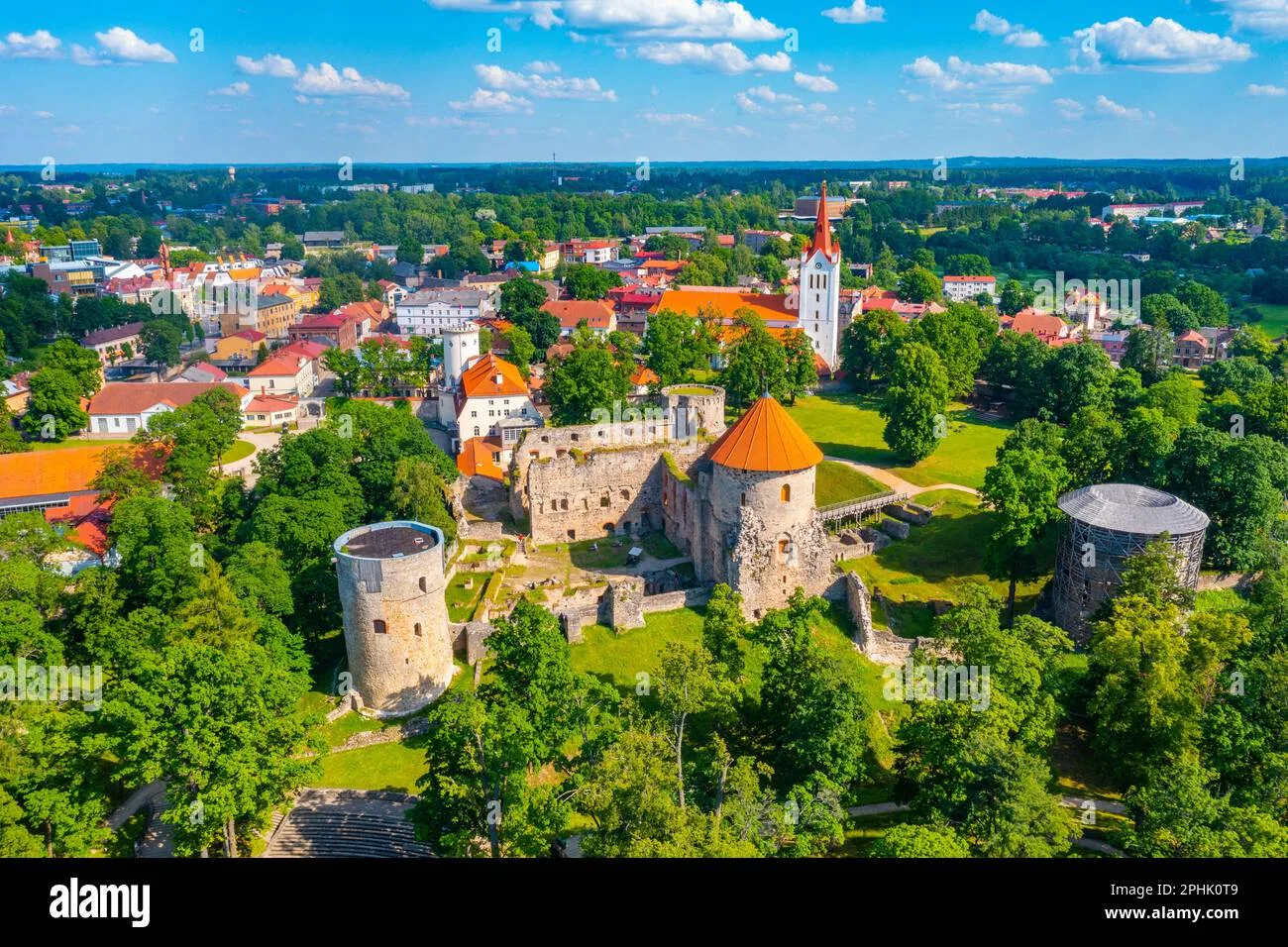
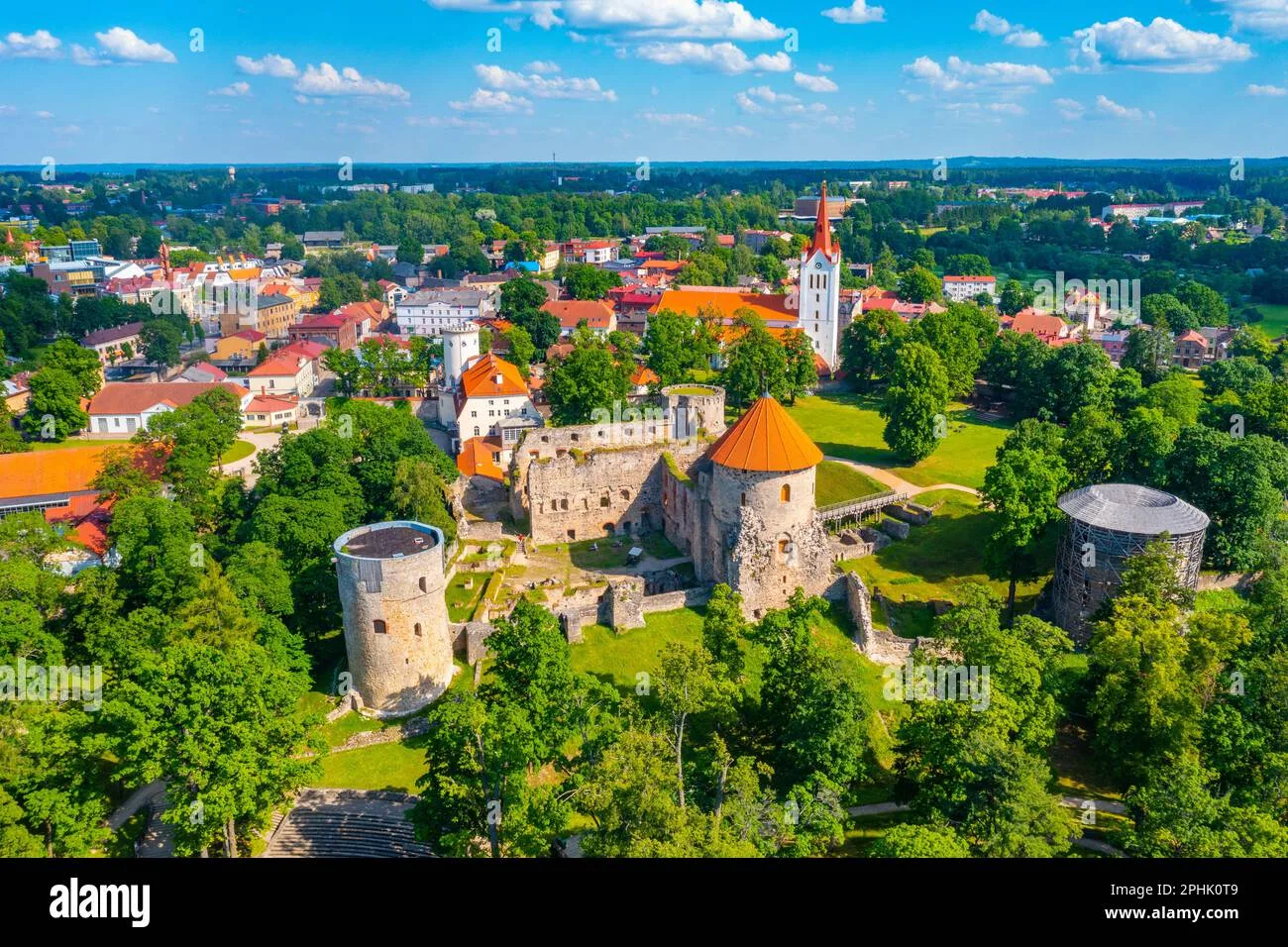
An aerial view showcasing Cēsis Castle and its picturesque surroundings (Source: Enter Gauja)
The underground tunnels of Cēsis present an intriguing puzzle for historians and archaeologists alike. These passages, which likely date back to the medieval period, may have been crucial for the castle’s defense strategy. Visitors often overlook the significance of these tunnels, yet they provide valuable insight into the architectural capabilities of the time. The tunnels not only functioned as emergency escape routes but also served as conduits for trade, military movement, and communication.
Cēsis Castle was constructed during the 13th century and represents a prime example of military architecture associated with the Livonian Order. The underground network is believed to consist of strategic passages that were essential for the castle’s operations and defense. Experts estimate that the total length of the castle walls is approximately one kilometer, hinting at the expansive nature of the hidden tunnel system. Recent archaeological investigations have also unveiled evidence suggesting that socio-economic activities occurred within these tunnels, indicating their centrality to both castle functions and the surrounding community.
Tracing the Historical Path of Cēsis’ Tunnels

A detailed map illustrating the layout of Cēsis Castle and the associated underground tunnels (Source: Cēsu pils)
The history of the underground tunnels in Cēsis is both complex and intriguing. Constructed alongside the castle, these structures served multiple purposes, including bolstering security and supporting trade. Historical analyses indicate that the tunnels played a significant role in military logistics, facilitating the swift movement of both soldiers and supplies during times of siege. The discovery of valuable jewelry during excavations in 1971 further underscores the tunnels’ importance, suggesting a vibrant narrative of wealth and trade surrounding them.
Dating back centuries, these passages likely witnessed critical events in the region’s historical timeline, including battles, negotiations, and social gatherings. Historical documentation supports the belief that tunnels may have connected various chambers within the castle, allowing for strategic planning and stealthy evasion during conflicts. These tunnels provided a method of evacuating persons of interest during an attack, illustrating an intricate layer of medieval siege warfare. Continued research into the operational uses of these tunnels will enhance understanding of their contribution to Cēsis’ historical significance.
The Role of Tunnels in Medieval Fortress Defense

A diagram visualizing the defensive structures of Cēsis Castle (Source: Medieval Heritage)
In the context of medieval fortifications, the tunnels offered crucial advantages that enhanced the defensive capabilities of Cēsis Castle. These underground passages served as protective barriers for the castle, as well as secret escape routes during sieges. Experts highlight that the tunnels were vital to the overall fortification strategy, allowing communication and resource dissemination throughout the fortress.
Archaeologist Zigrīda Apala, who conducted extensive excavations at Cēsis from 1974 to 2008, posits that the tunnels formed an essential component of the castle’s defense. According to her insights, during times of siege, these hidden pathways allowed defenders to maneuver without detection. Compared to other castles in Latvia, such as Turaida and Sigulda, Cēsis’ specific tunnel features stand out due to the considerable archaeological evidence collected over the years.
Research indicates that the tunnels were purposefully designed for multi-functional use, supporting both military defense and rapid evacuation strategies. The design and planning of the castle likely considered the needs of its defenders, showcasing the tactical foresight of its builders. Understanding the operational mechanics that these tunnels provided contributes to a more comprehensive understanding of Cēsis’ military history.
The Mystique of Cēsis Underground: Legends and Stories

An artistic rendition that captures the essence of local myths and legends about Cēsis (Source: City of Mist)
The underground tunnels of Cēsis are steeped in folklore and local legends that enhance their charm. Myths surrounding these tunnels often feature tales of hidden treasures and secret passages, capturing the imaginations of visitors and igniting creativity among local storytellers. The historical context surrounding these legends adds substance to their narratives, as artifacts recovered from the tunnels affirm their significance in local lore.
The jewelry cache uncovered inside the tunnels during excavations in the early 1970s has inspired stories involving cloaked figures stealthily navigating the tunnels during times of crisis. Such secrets inherent within the passages have generated local folklore that details the escapes of noble figures or clandestine meetings held within their depths. These captivating narratives enrich tourism in Cēsis, providing visitors with a more dynamic and engaging experience as they explore the site.
While specific legends explicitly connected to the tunnels might remain elusive, the cultural storytelling surrounding them invites broader participation from visitors eager to uncover the mysteries of the past. This narrative potential has significant implications for tourism, encouraging local residents and historians to craft imaginative retellings that enhance tourists’ experiences in Cēsis. By embracing these captivating stories, the visitor experience is transformed, attracting those with an interest in the adventure and intrigue of history.
Visiting the Enigmatic Tunnels of Cēsis

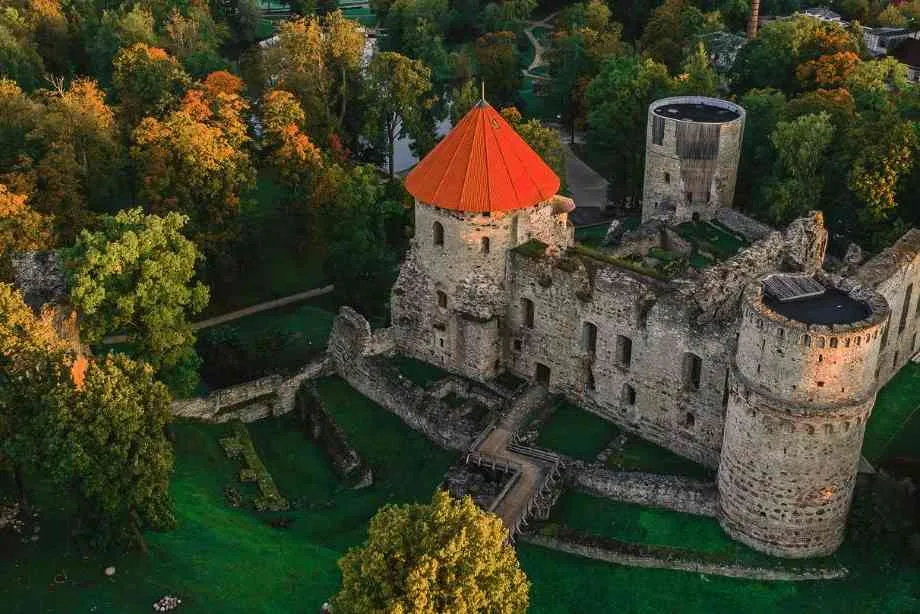
Image depicting the grounds of Cēsis Castle (Source: Latvia Travel)
For those eager to explore the hidden underground tunnels of Cēsis, current accessibility and visitor experiences remain critical considerations. Although the tunnels are not fully open for public exploration, significant efforts are underway to enhance the visitor experience within Cēsis Castle and its surroundings.
The Cēsis Castle complex has recently undergone extensive renovations aimed at improving visitor infrastructure while preserving the historical essence of the site. Future plans may include organized tours guiding visitors through accessible sections of the tunnels, offering insights and context regarding their historical significance. Safety measures, including well-defined pathways and informative signage, will be crucial elements in ensuring a secure and enriching experience.
As local authorities develop plans to enhance the appeal of the castle, incorporating the underground tunnels into the broader tourism narrative appears likely. With appropriate preparations, such as educational programs and engaging displays, the tunnels could become a key attraction within a larger itinerary that highlights Cēsis’ medieval legacy. Such efforts would not only raise the profile of Cēsis as a historical site but also invite a diverse audience interested in engaging with the city’s rich heritage.
Comparing Cēsis Tunnels with Other Medieval Structures

A comparative visual representation of Cēsis, Turaida, and Sigulda castles (Source: My Guide)
When comparing the underground tunnels of Cēsis with similar structures found in other medieval fortresses, distinct features emerge that highlight their uniqueness. Turaida Castle and Sigulda Castle also possess underground passages, yet the specifics of Cēsis’ tunnels, supported by archaeological findings, differentiate them from their peers.
Tunnels at Cēsis are characterized by their historical utility for both military and social purposes, showcasing a functional design that enhanced trade and community interaction. In contrast, while Turaida Castle is renowned for its detailed archaeological studies and effective fortifications, limited information exists regarding its underground systems. Similarly, the tunnels of Sigulda are less documented and primarily noted for their military applications.
The presence of tangible artifacts within the Cēsis tunnels, documented archaeological excavations, and the wealth of historical narratives surrounding them provide a richer foundation for comparative analysis among different castle tunnel systems. Understanding these distinctions contributes to a better comprehension of the medieval fortresses of Latvia, promoting further exploration into the region’s heritage.
Conclusion
The hidden underground tunnels of Cēsis stand as a testament to the city’s rich medieval history. They deepen the understanding of the stories and experiences of all who visit. Uncovering their significance reveals important insights into both the strategic defense of the castle and the daily lives of those who inhabited the site. Future opportunities for exploring these tunnels appear promising, especially with plans to improve accessibility and enhance visitor experiences, potentially revealing new stories and insights for history enthusiasts.
As local authorities and scholars continue to investigate these intriguing passages, the potential for storytelling and tourism development remains robust. Opportunities to engage with tales of hidden treasures and clandestine escapes will likely enhance the legacy of Cēsis, ensuring that its medieval roots persist in the memories of those eager to discover the wonders beneath its surface.