Cēsis, a picturesque town in Latvia, is synonymous with rich history, natural charm, and notably, its sacred springs. These springs invite both locals and travelers to discover not only their stunning beauty but also the cultural depth that they represent. If you’re an eco-conscious traveler or a history enthusiast, visiting these springs offers a chance to engage with the stories they hold while embracing responsible tourism practices.
In this guide, you’ll learn what makes the sacred springs of Cēsis unique, how to collect water sustainably, the legends associated with these natural features, insights on accessibility for visitors, and how you can contribute to local conservation efforts. This exploration isn’t just about enjoying nature; it’s an opportunity to connect with the local culture and community.
Let’s embark on this enlightening journey through Cēsis and its sacred springs, ensuring that our visit is respectful and environmentally friendly.
What Makes Cēsis Sacred Springs a Hidden Gem?
Cēsis features a landscape rich in history and beauty, which is vividly reflected in its sacred springs. These springs are important not only for their breathtaking surroundings but also for their deep cultural significance. Springs like Rūcamavots have long been revered for their fresh, clear water, which has served as an essential resource for both sustenance and spiritual practices.
These sacred springs are more than mere water sources; they represent communal gatherings, spiritual reflection, and a connection to nature. Residents often share fond memories of visiting the springs for both community events and quiet contemplation. The historical context of Cēsis is indelibly linked to these waters, with numerous ancient rituals focused on their healing properties.
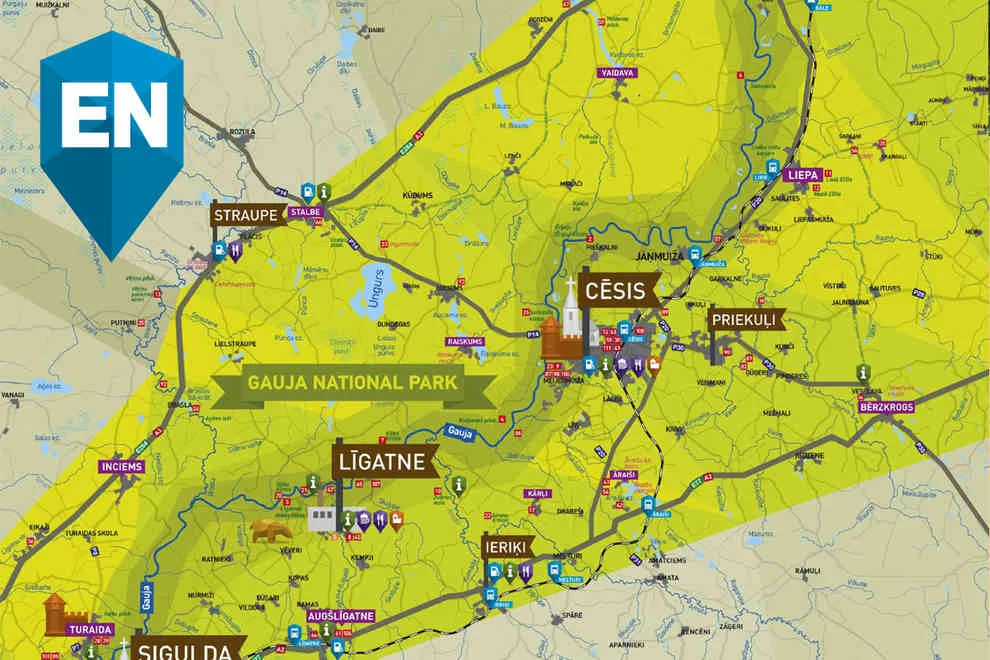
Detailed map showing the locations of sacred springs in and around Cēsis (Source: Enter Gauja)
Exploring the diverse geography of Cēsis reveals that many springs are set in lush, green surroundings, often accompanied by historical buildings or natural parks. Each visit to these springs can help you learn about local ecosystems while enjoying a tranquil, serene environment.
Sustainable Practices for Water Collection You Can Adopt
As you explore the sacred springs, it’s crucial to adopt sustainable practices for collecting water to respect the environment. You can responsibly gather water with a few thoughtful approaches, ensuring that you protect these precious resources.
Start with eco-friendly containers, such as reusable bottles made from glass or stainless steel, to minimize waste. It’s important to stay informed about the local water quality. Some sources may have guidelines or advisories based on water tests, which you should follow to prevent contamination. For example, if recent water quality tests indicate any issues, this information will guide your decision-making.

Diagram illustrating methods for rainwater harvesting (Source: SUDS Wales)
Additionally, consider implementing rainwater harvesting techniques if you’re staying in eco-friendly lodging. Not only does this provide a sustainable way to access water, but it also alleviates strain on local supplies. Remember always to treat collected water appropriately before consumption, ensuring that you maintain its integrity.
By following these sustainable water collection practices, you contribute positively to the ongoing preservation of Cēsis’ sacred springs while enjoying the benefits they provide.
Diving into the Legends That Envelop Cēsis’ Sacred Springs
Cēsis is steeped in stories that add a captivating layer to its sacred springs. Each spring is associated with rich folklore that involves spirits, ancient rituals, and local traditions, making them meaningful spiritual sites.
For example, local legend has it that Rūcamavots possesses healing powers. Many visitors come seeking a connection to these stories, which offer both adventure and introspection. These legends also play a role in tourism, drawing travelers intrigued by the cultural narratives tied to these waters.

Historical illustration depicting significant cultural elements of Cēsis (Source: Amber Marks)
Such stories are often showcased during community festivals, where you may witness reenactments and rituals honoring the springs. Engaging with these local customs not only deepens your understanding of the cultural heritage but also enhances your visit’s significance. The legends surrounding these springs serve as a testament to the area’s cultural richness and a highlight for anyone exploring Cēsis.
Accessibility of the Springs: What You Need to Know
Visiting the sacred springs in Cēsis is a delightful experience, but it’s essential to consider accessibility options to ensure a comfortable trip for all. The town is well-connected, making it easy to reach the springs by public transport or even bike rental.
Once you arrive, you’ll find the level of accessibility can vary. Some trails are well-marked and easy to navigate, while others may pose challenges for travelers with disabilities. It’s advisable to plan your visit according to your mobility needs, which can help ensure that your experience is positive and memorable. The ideal times to visit these springs are during the late spring and summer months when nature is at its most vibrant and the weather is generally pleasant.

Map outlining the hiking trails around Cēsis (Source: Enter Gauja)
Before your visit, check with local accommodation or tourism offices for updates on trail conditions and any accessibility aids available at each spring. This preparation not only boosts your own experience but also showcases your support for inclusive tourism in Cēsis.
Support Local Conservation Strategies: How You Can Help
Engaging with local conservation efforts is vital for preserving Cēsis’ sacred springs. You can take several proactive steps to contribute to the ongoing efforts of safeguarding these important natural resources.
One effective way to make an impact is by participating in community cleanup events. These gatherings allow both locals and visitors to work together to maintain the cleanliness and integrity of these spaces. You can also get involved with local organizations dedicated to the conservation of Cēsis’ water sources. Many of these groups welcome volunteers, and inquiries about your involvement are often appreciated.

Community cleanup effort highlighting local involvement (Source: Stock Cake)
By actively participating in these local initiatives, you’ll help promote community engagement in protecting the springs. Every small action contributes to a collective effort to ensure that these sacred waters remain clean and accessible for future generations to enjoy.
Eco-Friendly Travel Essentials for Your Cēsis Adventure
When planning your trip to Cēsis, consider incorporating eco-friendly travel practices to minimize your impact on the environment. Begin by packing wisely. Bring reusable items such as water bottles, bags, and eco-friendly toiletries that reduce waste and promote sustainability.
Selecting accommodations that emphasize environmental responsibility can greatly enhance your experience. Look for hotels that utilize sustainable energy sources, engage in water conservation strategies, and minimize plastic waste throughout their facilities.

Eco-friendly accommodation option available in Cēsis (Source: Booking.com)
Moreover, consider dining at establishments that serve locally-sourced and seasonal meals. This supports the local economy while reducing your carbon footprint. When engaging in outdoor activities, always adhere to guidelines for responsible wildlife viewing to help preserve the ecosystem.
By integrating these eco-friendly practices into your travel plans, you not only enhance your experience but also contribute positively to the environment and community around you.
Conclusion
Discovering Cēsis’ sacred springs is a rewarding journey filled with history, culture, and breathtaking nature. These springs serve as vital resources, intertwined with the local community’s identity and environmental practices. By understanding their unique significance, engaging with local legends, and ensuring sustainable practices during your visit, you become part of the ongoing story of Cēsis.
As you explore, remember that your respectful approach as a visitor can significantly influence the preservation of these remarkable waters. By being mindful and supportive of conservation efforts, you help ensure that future generations can also experience the beauty and cultural richness of Cēsis’ sacred springs. Enjoy your travels!