When you envision a medieval feast, what comes to mind? Is it the grand tables filled to the brim with food, the laughter of guests, and the sounds of clinking mugs filled with ale? You’re on the right track. Medieval feasts were significant social events, showcasing not only culinary delights but also the cultural values of the time. In Livonia, a region rich in history and heritage, these feasts represent a culinary journey that continues to influence contemporary cooking. This article invites you to explore the remarkable flavors of traditional Livonian recipes, from the exquisite dishes served at medieval celebrations to how you can recreate such a feast in your own home. Whether you’re passionate about history, food, or both, prepare for an engaging adventure through flavors, culture, and tradition.
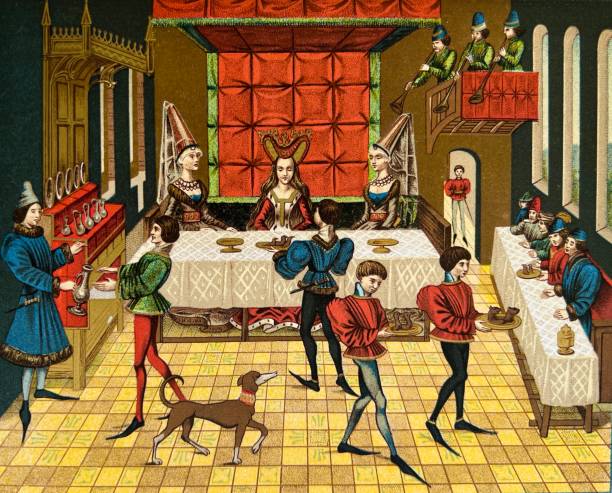
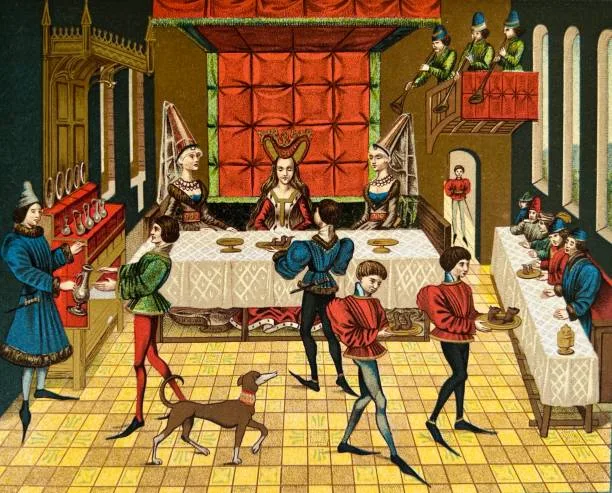
Feasting was about more than merely satisfying hunger; it was also a display of abundance that reflected social status and religious devotion. Livonia’s historical context, marked by diverse influences from various cultures, shaped its unique culinary landscape. Picture a scene where noblemen hosted lavish banquets, serving roasted meats, breads, and pastries, surrounded by the joyful commingling of guests. These gatherings were a cornerstone of communal life, strengthening social bonds and marking significant occasions.
In the following sections, you will discover the delightful culinary offerings of medieval Livonia and learn how to honor these traditions in your home cooking. Whether you wish to host a sumptuous banquet or simply try making a traditional dish, you’ll find ways to connect with these rich flavors and the history they embody.
Source: iStock
Experience a Medieval Feast Transforming History into Hospitality
If you’re interested in recreating a medieval feast at home, you’re in for a treat. Start by gathering friends and family to enhance the cultural experience. The key to a successful medieval feast lies not only in the food but in crafting the right atmosphere. Here’s how to achieve that:
-
Setting the Table: Utilize rustic dishes, pewter goblets, and wooden platters. A long banquet-style table laden with food can evoke the grandeur associated with medieval feasting.
-
Decorations: Consider using natural decorations, such as greenery, herbs, and seasonal fruits. Candles can enhance the ambiance, creating a warm, inviting atmosphere.
-
Costumes: Encourage your guests to dress in period-appropriate attire. Robes, tunics, and medieval dresses can add an immersive element to the experience.
Next comes the menu. Think hearty, just like meals from that period. Feature classic dishes, such as roasted meats, stews, and side dishes made from seasonal vegetables. Don’t forget the drinks—ales and meads were traditional favorites during medieval times. Modern adaptations of these recipes can add a contemporary twist while honoring their historical roots.
Research shows that medieval dining customs emphasized community engagement, making the act of sharing a meal a pivotal social experience. Hosting a feast grounded in these traditions will encourage your guests to connect, making for an enjoyable and memorable occasion.

Source: Pinterest
Delicious Discoveries Unique Livonian Dishes from the 16th Century
Exploring Livonian culinary heritage uncovers a range of dishes that are not only satisfying but also tell stories of the era. Traditional feasts in Livonia featured a rich variety of ingredients and flavors that have persisted over the years.
One standout favorite is piparkūkas, or gingerbread—a treat that has remained popular throughout the centuries, especially during festive seasons. These spiced cookies were more than just desserts; they often adorned festive tables. Additionally, savory pies filled with meats and root vegetables showcased the region’s agricultural bounty.
Beverages played an essential role in feasting traditions, too. Popular choices such as medalu (a honey-based drink) and hot spiced wine were reflective of hospitality during these gatherings. Sharing drinks deepened the connections among guests, a custom that resonates even today.
By delving into these historical flavors, you gain an opportunity to appreciate Livonian culture and its culinary roots, leading to a unique dining experience filled with rich stories and satisfying tastes.

Source: Blogger
Crafting Heritage Recreating Livonian Recipes at Home
Ready to bring Livonian dishes into your kitchen? You’ll be excited to learn that several traditional Livonian meals can be tailored to fit modern cooking styles while still respecting their historical significance.
For instance, you can easily recreate roasted root vegetables—a staple in medieval cooking. Just peel, chop, and toss them with herbs and spices before roasting until caramelized. This straightforward recipe pays tribute to ancient practices while making it accessible for home cooks today.
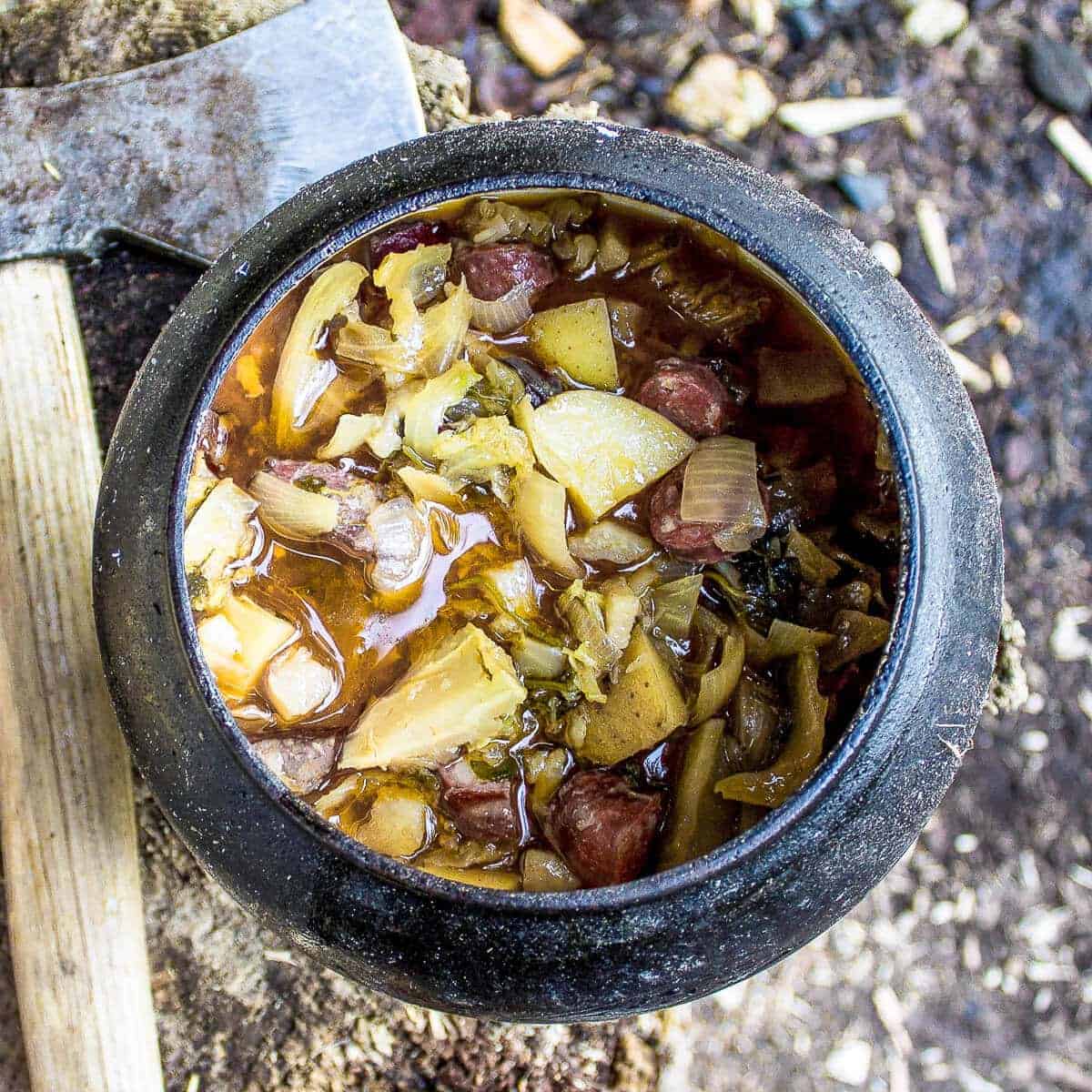
Another dish to consider is stew. Rich and hearty, medieval stews often served as a foundational meal. You can use beef or chicken combined with seasonal vegetables to create a meaty stew that satisfies the palate. The key is to let it simmer slowly, enabling flavors to meld just as they would have in the past.
By cooking heritage recipes, you’ll not only connect with historical culinary practices but also explore your creativity in the kitchen. As you play with flavors, remember that modern adaptations can still honor their origins without sacrificing taste.
Culinary experts often emphasize the importance of engaging with heritage recipes as a way to understand and appreciate the cultural connections that persist through food traditions. So, gather your kitchen tools and start crafting some Livonian delights!

Source: Pants Down Aprons On
Unveiling the Art of Medieval Narratives in Dining
Every dish tells its own story, and understanding the narratives behind medieval feasting is essential for grasping the cultural values of the time. As you prepare for your medieval feast, consider the stories that each element contributes to the dining experience.
During the medieval period, feasting was much more than just eating; it was a time for communal storytelling. Guests would share tales, exchange historical anecdotes, and often entertain others with songs and poems, reflecting the deep-seated tradition of the bard. This practice added layers of meaning to the food served, transforming meals into rich experiences.
You can recreate this atmosphere at your own feast by encouraging storytelling among your guests. Share interesting anecdotes about the recipes you’ve prepared and invite others to share their stories. This exchange not only connects your guests with the experience but also enriches the dining event with shared narratives that resonate through time.
The influence of local produce and traditional methods on the dishes prepared for Livonian feasts underscores the intertwining of culinary arts with cultural identity.

Source: MazGeen Legendary
Sweetening the Experience The Allure of Authentic Medieval Honey
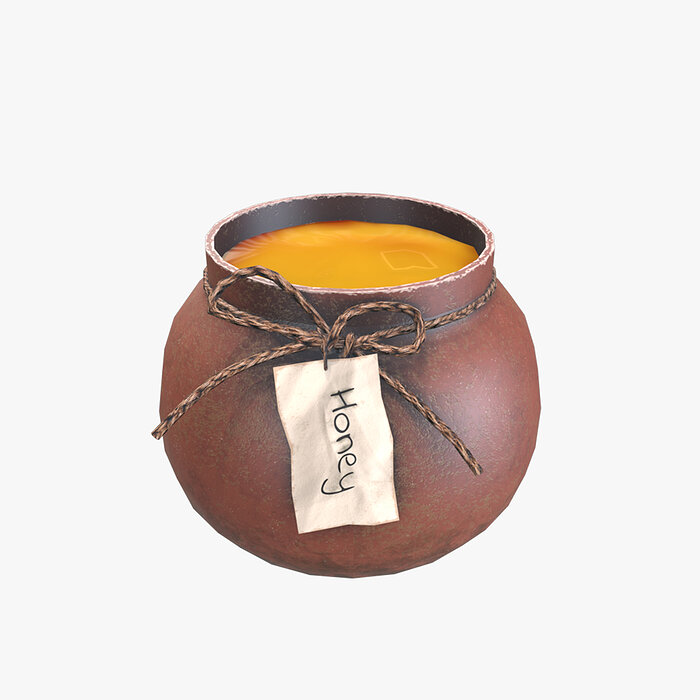
Honey has long held a prominent place in culinary traditions, especially in medieval cooking. In Livonia, honey was much more than a sweetener; it was a significant ingredient in many dishes and drinks. The appeal of medalu, a honey-based beverage, is a testament to hospitality and celebration during feasts.
To experience authentic medieval-style honey, consider exploring local markets, specialty shops, and artisanal producers. These sources often offer honey made using traditional methods that enhance its flavor and cultural significance.
Honey often finds its way into various dishes, from desserts to marinades. Incorporating it into your cooking not only adds depth to flavors but also preserves the historical essence of traditional meals. Whether you drizzle honey over freshly baked bread or stir it into beverages, remember that it represents a taste of history.
By researching and exploring available options, you can create dishes rich in medieval flavors that will deepen your connection to the past.

Source: CGTrader
Join the Celebration Livonian Culinary Trails and Events
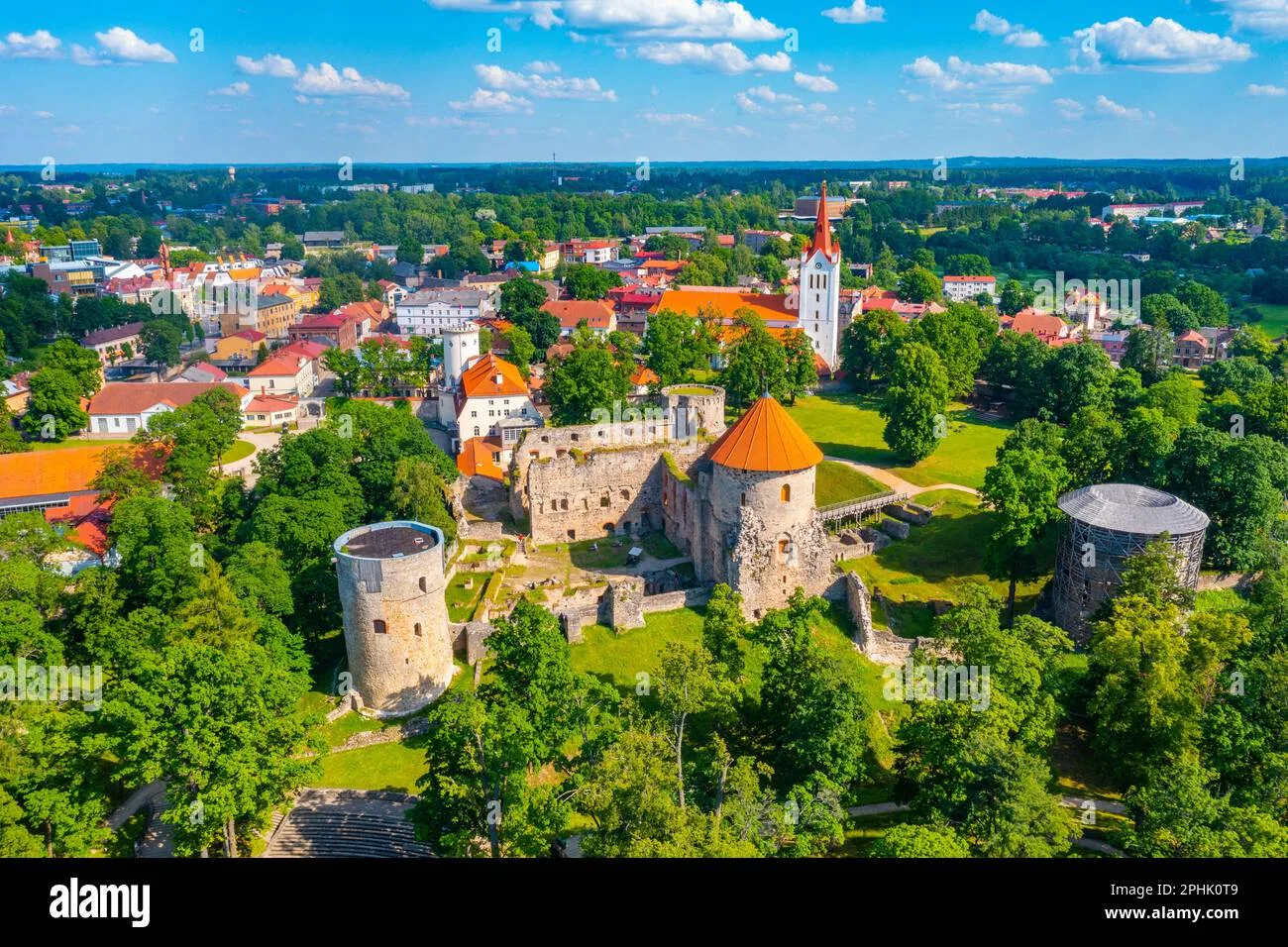
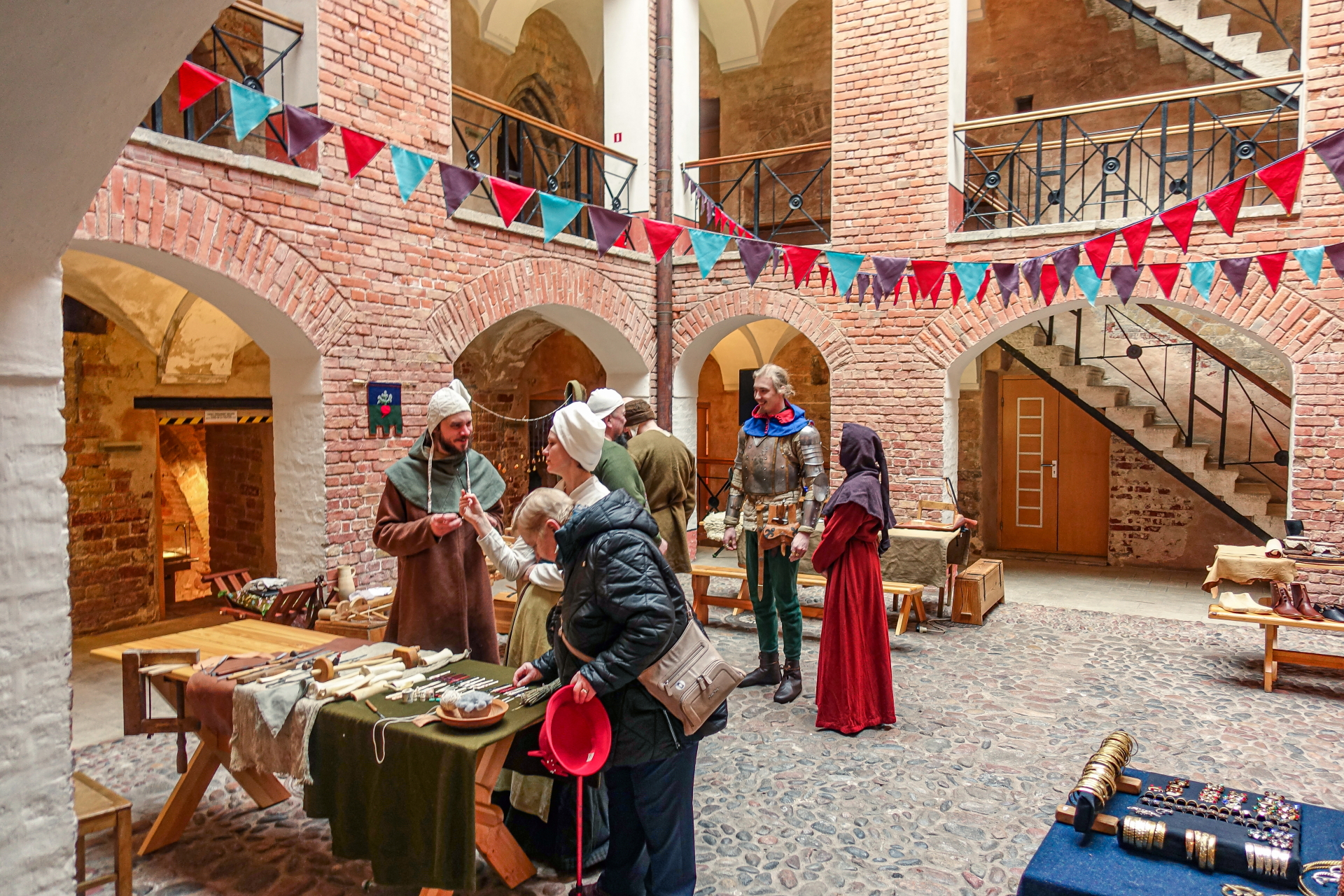
If you’re excited about immersing yourself in the vibrant world of Livonian culinary traditions, consider participating in local events celebrating medieval heritage. Annual festivals in cities like Cēsis and Riga showcase the rich culinary scene and provide insights into medieval culture through food.
The Livonian Taste culinary route invites you to indulge in authentic dishes while learning about the region’s fascinating history. You can enjoy traditional foods at market stalls and even dine at Alexis Restaurant in Hotel Cēsis, known for its dedication to reviving Livonian recipes.
These restaurants and events often host tastings, workshops, and food tours that promote historical dishes while connecting them to present-day dining. Engaging in these experiences not only allows you to celebrate Livonian heritage but also to understand how culinary practices have evolved.

Source: Visit Ventspils
Conclusion
By bringing the flavors and traditions of medieval Livonia into your home, you foster a connection to history while exploring diverse culinary practices. Amid modern-day conveniences, embracing the heart of the past offers both delicious experiences and cultural enrichment.
With the insights shared here—be it through hosting a feast, trying your hand at heritage recipes, or participating in local culinary celebrations—you can experience the joy of sharing meals steeped in history. As you savor each dish, remember that you are partaking in a rich narrative that spans centuries, connecting communities and celebrating a vibrant cultural tapestry filled with stories and flavors. Let’s raise a glass to the past and make new memories inspired by these medieval traditions!