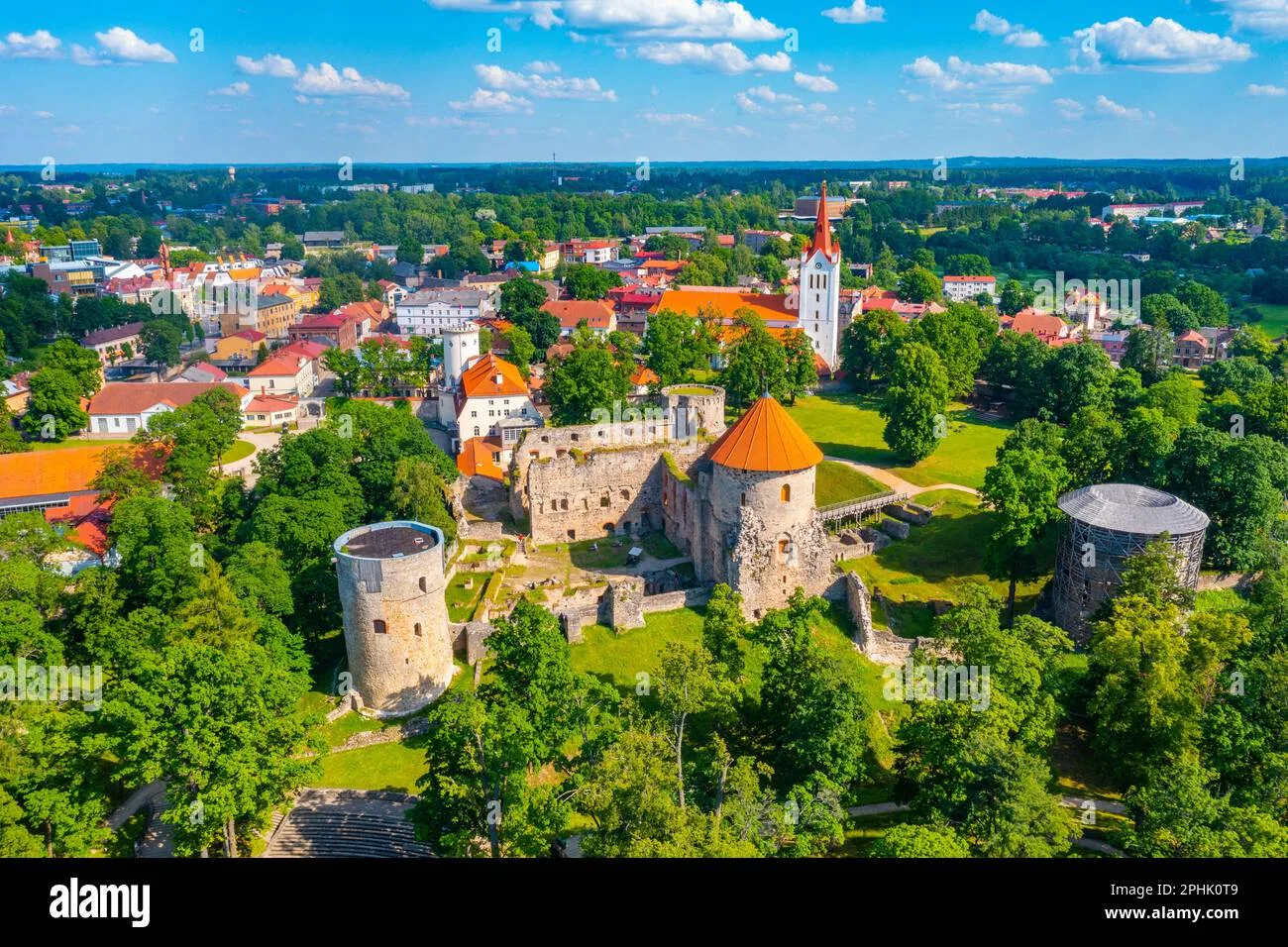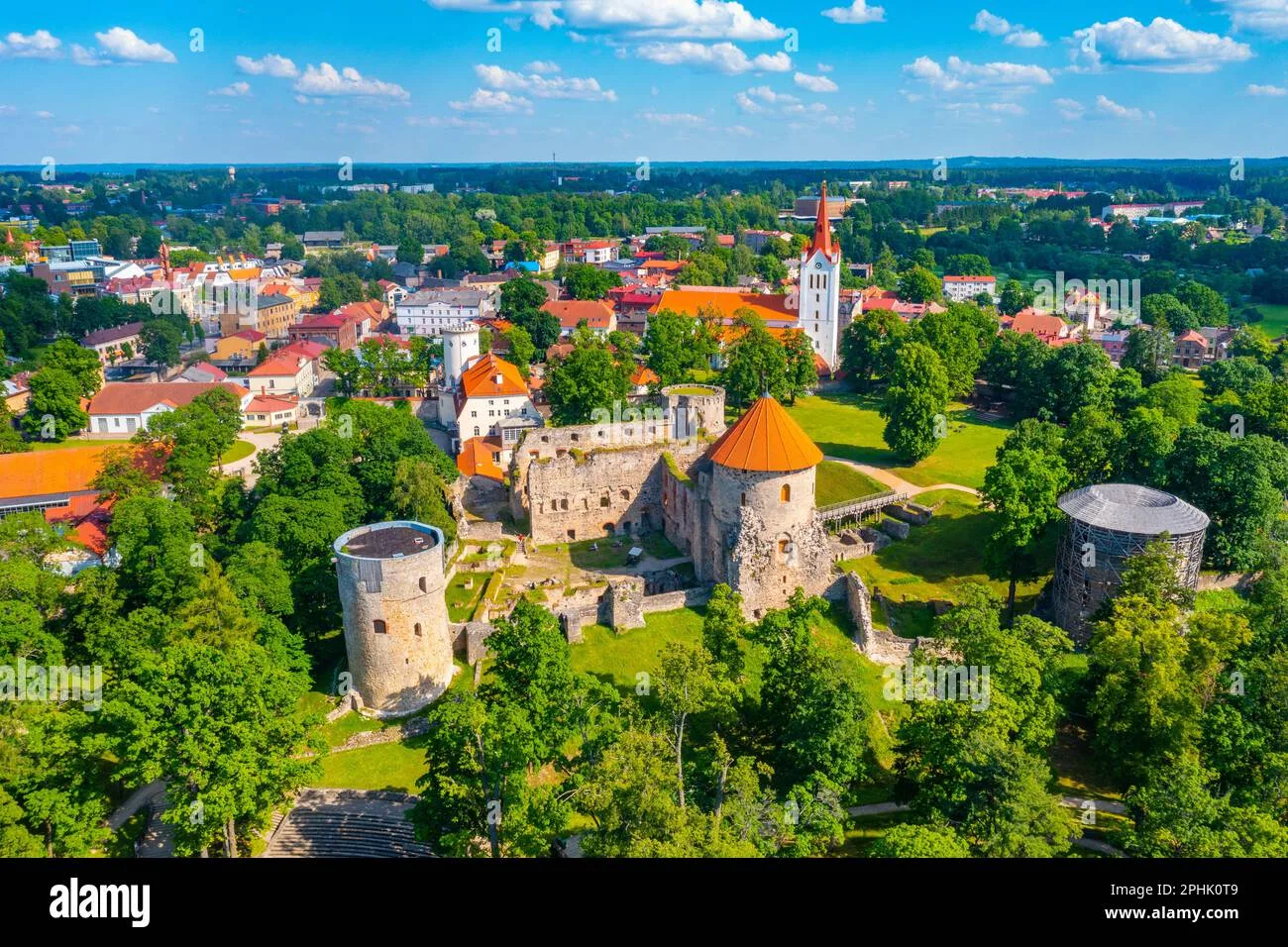
Cēsis, a picturesque town in Latvia, is home to a remarkable collection of medieval churches that reflect centuries of history, architecture, and culture. These sacred structures stand as silent witnesses to significant changes over time, embodying the spiritual and communal life of the region. Each church reveals a unique story, reflecting the religious fervor of the past and the architectural evolution that has taken place since their inception. From intricate designs to the legends that surround them, Cēsis’ churches offer insights that capture the interest of history enthusiasts and travelers alike.
St. John’s Church, with its striking façade and extraordinary interior, serves as a focal point for understanding the complexities of Cēsis’ religious heritage. The various architectural styles displayed in the town’s churches echo artistic movements that have traversed Europe, from Romanesque to Gothic influences. These churches are not merely places of worship; they are treasures that illustrate the community’s historical roots and ongoing cultural identity. By understanding these magnificent edifices, visitors can appreciate the profound interplay between faith, artistry, and local tradition.
As interest in cultural heritage grows, the importance of respectful visitation and preservation becomes clear. A thoughtful approach to local customs and an awareness of the significance of these sacred sites can enhance the experience for travelers and locals alike. Engaging with the legends associated with these churches offers a window into the collective memory of Cēsis, transforming each visit into a journey through time.
Unveiling the Architectural Marvels of Cēsis
Cēsis showcases a diverse array of architectural styles highlighted by its churches, primarily influenced by Romanesque and Gothic eras. These buildings reflect a historical evolution that spans several centuries, beginning in the 13th century with the construction of the first religious structures. The use of local materials, such as limestone and brick, has significantly shaped the architectural identity of the churches in Cēsis.
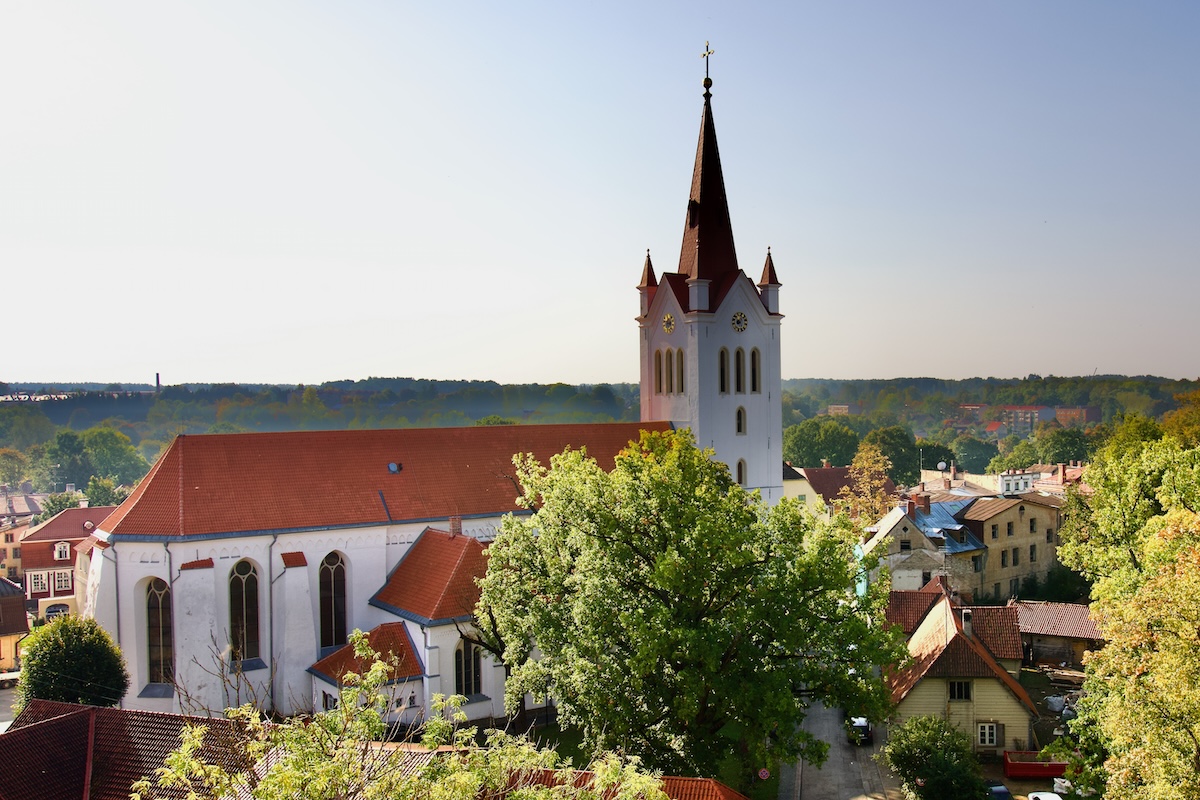
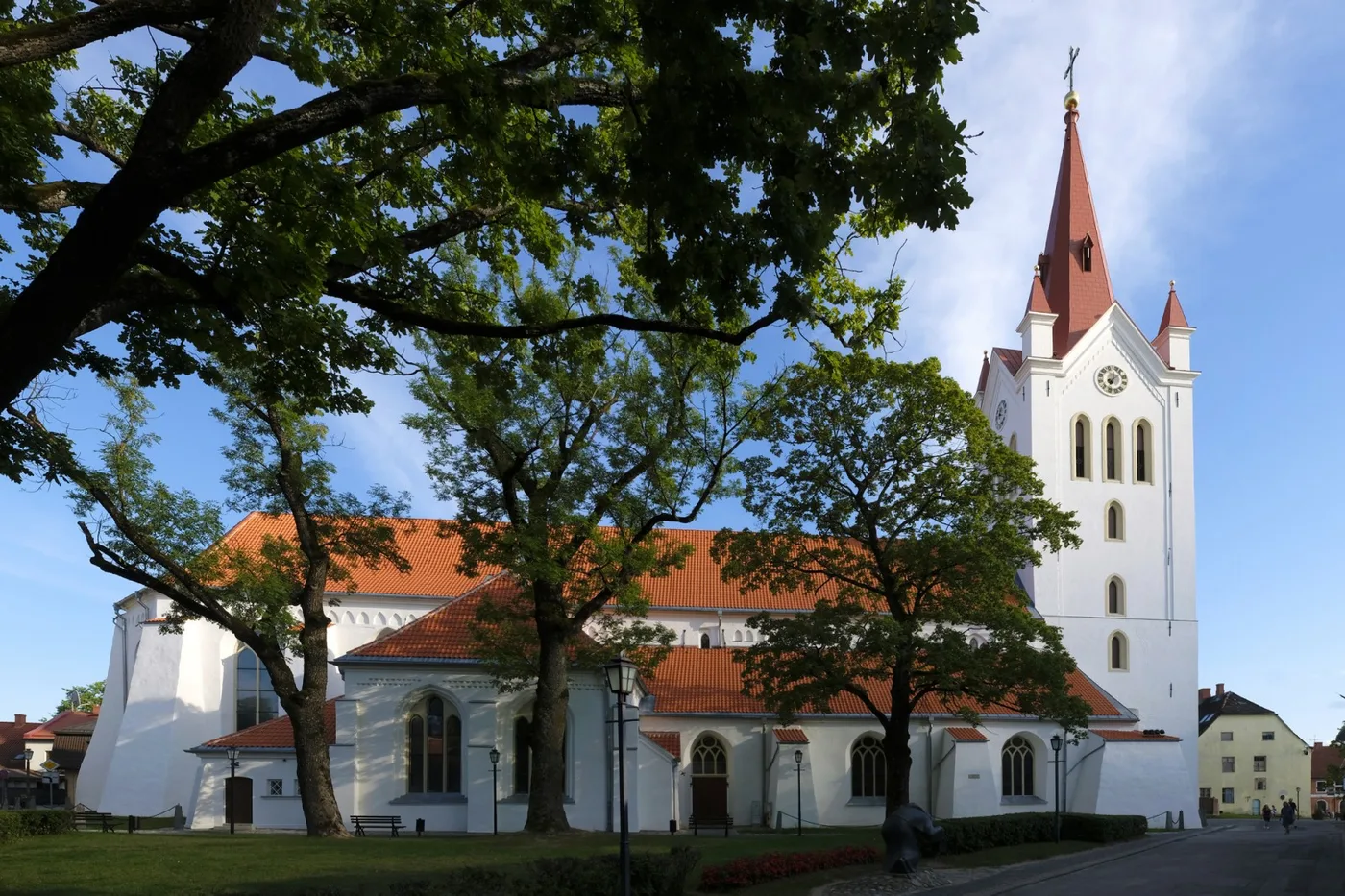
St. John’s Church, completed in 1280, exemplifies the town’s medieval architectural heritage. Its vertical lines and intricate stonework are hallmarks of Gothic design, while unique elements, such as the round tower, provide insight into local adaptations of broader architectural trends. According to resources from Cultural Heritage, many churches in Cēsis, including St. John’s, exhibit characteristics that make them stand out from similar ecclesiastical architecture in other regions of Latvia.
Furthermore, the evolution of church designs can be traced through notable renovations and expansions made during the 17th and 19th centuries, which enhanced the churches’ aesthetic appeal. This blending of historical styles within the sacred spaces allows for a deeper understanding of Cēsis’ social and religious development over time.
Interior view of St. John’s Church showcasing its architectural features (Source: Redzet)
The Secrets Hidden Within St. John’s Church
St. John’s Church serves as a vital component of Cēsis’ historical framework, acting not only as a spiritual center but also as a repository of local lore. The church is the final resting place for several noteworthy figures, each contributing to Latvia’s historical narrative. Their burials within its walls underscore the cultural reverence the community holds for these individuals and the church’s historical significance.
Additionally, the church is steeped in legends, with tales of underground passages that purportedly connect it to the nearby Cēsis Castle. These stories, embedded in local folklore, create a sense of intrigue that captivates visitors. Historical accounts suggest that these tunnels may have served as escape routes during sieges, further enriching the narrative around the site.
The historical importance and legends associated with St. John’s Church highlight its centrality in understanding Cēsis’ identity. Its role in shaping community narratives emphasizes the church’s relevance beyond its architectural features.

Façade of St. John’s Church, a key historical landmark in Cēsis (Source: Redzet)
Cultural Significance of the Worship Spaces
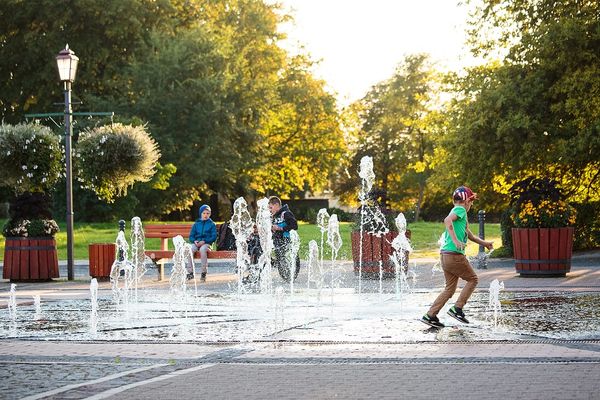
The churches in Cēsis play a critical role in the social fabric of the community. They serve as venues for essential cultural events and festivals, reinforcing the connection between spirituality and local traditions. Major celebrations often occur alongside the church calendar, blending religious observance with community gatherings.
For example, the annual St. John’s Day festival draws both locals and visitors, celebrating the cultural heritage linked to the church. The festival features traditional music, dance, and local cuisine, fostering a sense of community and shared history among attendees.
Moreover, the influence of the Protestant Reformation in Cēsis is evident in the architectural choices and community dynamics surrounding its churches. As Protestantism emerged, these churches adapted to reflect new doctrines and practices, illustrating their dual roles as spiritual and cultural hubs.
The integration of religious and cultural life within Cēsis churches emphasizes their significance as sites of societal cohesion, bridging gaps between generations while highlighting the town’s historical narrative.

A vibrant celebration at a Cēsis church festival reflecting community life and culture (Source: Enter Gauja)
Conservation and Restoration: Preserving the Past
The preservation of Cēsis’ churches is crucial given their architectural and historical significance. Recent restoration efforts, particularly at St. John’s Church, aim to maintain these structures while respecting their historical integrity. Challenges such as funding limitations, adherence to preservation standards, and the demand for specialized skills pose obstacles to successful restoration.
One notable project involved meticulous repairs to the church’s intricate stonework, ensuring that modern interventions did not compromise its historical character. As noted by experts in Historic Conservation, the restoration processes adhere to strict principles to guarantee that each phase respects the building’s heritage and original design.
Prioritizing restoration not only revitalizes physical structures but also connects current and future generations with their local history. The successful conservation of Cēsis’ churches serves as a testament to the town’s dedication to safeguarding its cultural legacy.

The restoration work being carried out at St. John’s Church in Cēsis emphasizes the importance of conservation efforts (Source: Experienced Traveller)
Visiting with Respect: Cultural Etiquette in Cēsis Churches
Visitors to Cēsis’ churches should approach these sacred spaces with respect and consideration. Familiarity with local customs enriches the experience and deepens appreciation for the site’s significance. Appropriate attire, such as modest clothing and suitable footwear, is often recommended in these settings.
Moreover, visitors are encouraged to engage quietly and respectfully during services and events. This consideration fosters an atmosphere of reverence that honors the religious practices of the local community. Understanding the cultural significance of the churches enhances visitors’ appreciation for the architectural and historical narratives they embody.
Research from Tourism Studies indicates that respectful behavior while visiting sacred sites improves the rapport between tourists and local communities, enriching the experiences of everyone involved.

Illustration depicting respectful behavior in a church setting (Source: WikiHow)
Legends of Cēsis: Weaving History and Myth
The myths and legends surrounding Cēsis’ churches enrich the comprehension of their historical context. Many tales reflect the cultural consciousness of the local community, merging elements of folklore, faith, and history. Specific legends, particularly those linked to St. John’s Church, highlight its significance in the life of Cēsis and the communal memory embedded within its walls.
One prominent narrative speaks of a hidden treasure said to be buried within the church’s grounds, which has intrigued both locals and tourists over the years. Such stories amplify interest and engagement with the site, linking present experiences to historical narratives.
Research from Folklore Studies indicates that local legends can considerably influence tourism and community identity, emphasizing their ongoing relevance in Cēsis society.

Artistic representation of a local legend tied to Cēsis churches (Source: LSM)
Conclusion
Cēsis’ historic churches provide invaluable insights into the intricate relationship between architecture, culture, and history. Each church stands as a testament to the changes that have shaped the community, intertwining narratives connected to faith and identity. St. John’s Church, with its architectural marvels and rich folklore, encapsulates the essence of Cēsis, making it a vital element in understanding Latvia’s broader historical narrative.
Respectful engagement with these sacred sites enhances the experience of visiting—fostering cultural appreciation, understanding architectural evolution, and embracing local legends. Cēsis is not merely a destination; it is a living testament to the enduring legacy of its medieval churches, inviting all who visit to explore the rich stories they hold.