Latvia’s history of resilience is deeply intertwined with its struggle for independence. The Burning Conscience Museum, located in Cēsis, stands as a significant testament to the Latvian people’s courage during the tumultuous Soviet era. This guide provides an in-depth exploration of Latvia’s Soviet-era history, highlighting the important role of the museum in educating visitors about the past.
The Burning Conscience Museum invites visitors to immerse themselves in the challenges faced by Latvians during one of the darkest periods in their history. By examining the themes of resistance and national identity, one can gain valuable insights into Latvia’s path toward liberation. The museum not only features emotionally charged exhibits but also highlights key historical sites in Cēsis that are essential to understanding Latvia’s heritage. The target audience includes history enthusiasts and cultural tourists who are keen to learn about the resilient spirit of the Latvian people and the rich legacy that continues to thrive today.
Unveiling Latvia’s Hidden Stories of Resistance
Latvia’s Soviet-era history is characterized by a series of oppressive regimes that aimed to suppress national identity and individuality. Following the Soviet annexation in 1940, Latvia became a focal point of broader geopolitical struggles. This period birthed significant resistance movements aimed at countering Soviet control. Among these efforts were the National Resistance Movement and various Communist groups, each responding to the oppressive climate in their unique ways.
In 1943, the Latvian Central Council was established, serving as a political voice dedicated to restoring independence based on the principles of the 1922 Constitution. This coalition brought together Latvia’s main political parties and was led by prominent figures like Konstantīns Čakste. Key actions taken by the council included outreach to Western nations, the formulation of memoranda advocating for independence, and covert operations to assist refugees escaping the harsh realities of occupation.
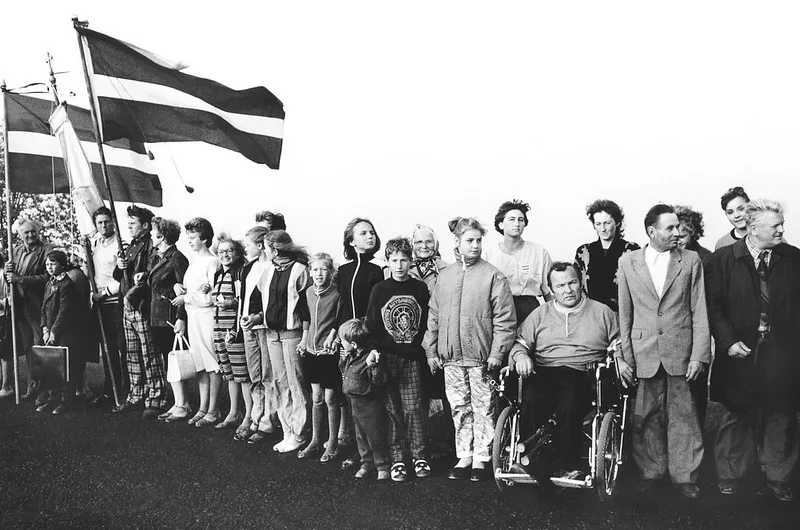
Resistance activities often met with severe reprisals from occupying forces. Notably, the efforts included a combination of violent and nonviolent tactics, with several notable figures symbolizing the hope and determination of the Latvian people. The museum features these poignant stories through compelling exhibits, allowing visitors to connect with the courage displayed by those who fought for their homeland.
Photo depicting Latvian resistance fighters. (Source: Flickr, 2019)
Inside the Burning Conscience Museum: A Journey Through Resistance
The Burning Conscience Museum offers a comprehensive exploration of Latvian resistance during the Soviet era, showcasing exhibits that vividly narrate these historical struggles. Upon entering the museum, visitors encounter various installations that highlight personal acts of defiance against oppression through letters, photographs, and artifacts representative of life under Soviet rule.
Interactive features engage visitors by providing multimedia presentations that present testimonials from resisters. These narratives offer personal insights into the emotional hardships faced during this challenging time, blending individual experiences with the broader resistance efforts. The museum fosters an understanding of the complex relationship between struggle and resilience that defined Latvia’s history.
Educational programs are a cornerstone of the museum’s outreach, significantly contributing to awareness among younger generations. A wealth of resources is available for educators, allowing the lessons of history to resonate beyond the museum’s confines. By promoting educational initiatives, the Burning Conscience Museum emphasizes the importance of historical memory in shaping a collective consciousness in Latvia.

Exterior view of the Burning Conscience Museum. (Source: TripAdvisor, Recent)
A Cultural Identity Forged in Fire: Understanding Latvia’s Legacy
The resistance movements during the Soviet era profoundly shaped Latvia’s cultural identity, intertwining the struggles for independence and survival into a cohesive narrative. The experiences during this period fostered solidarity among Latvians, resulting in a deep-rooted sense of national identity that persists today. Influenced by literature, art, and collective memory, this narrative underscores how adversity can mold a nation’s identity.
The role of diaspora organizations is also vital in preserving cultural heritage for Latvians living outside their homeland. Through cultural events, festivals, and educational programs, these organizations promote appreciation and understanding of Latvian culture. Celebrations of national holidays and cultural days serve to reinforce connections, allowing Latvians abroad to honor their heritage and strengthen ties with their roots.
Cultural memorial sites across Latvia are potent reminders of the sacrifices made during resistance efforts. These locations facilitate an ongoing dialogue about history and identity, inviting community participation in remembrance activities. By fostering a culture of reflection, these memorials contribute significantly to understanding and honoring the past.

Community members laying flowers during a memorial ceremony. (Source: Jewish Community of Latvia, July 2023)
Exploring Cēsis: More Than Just a Museum
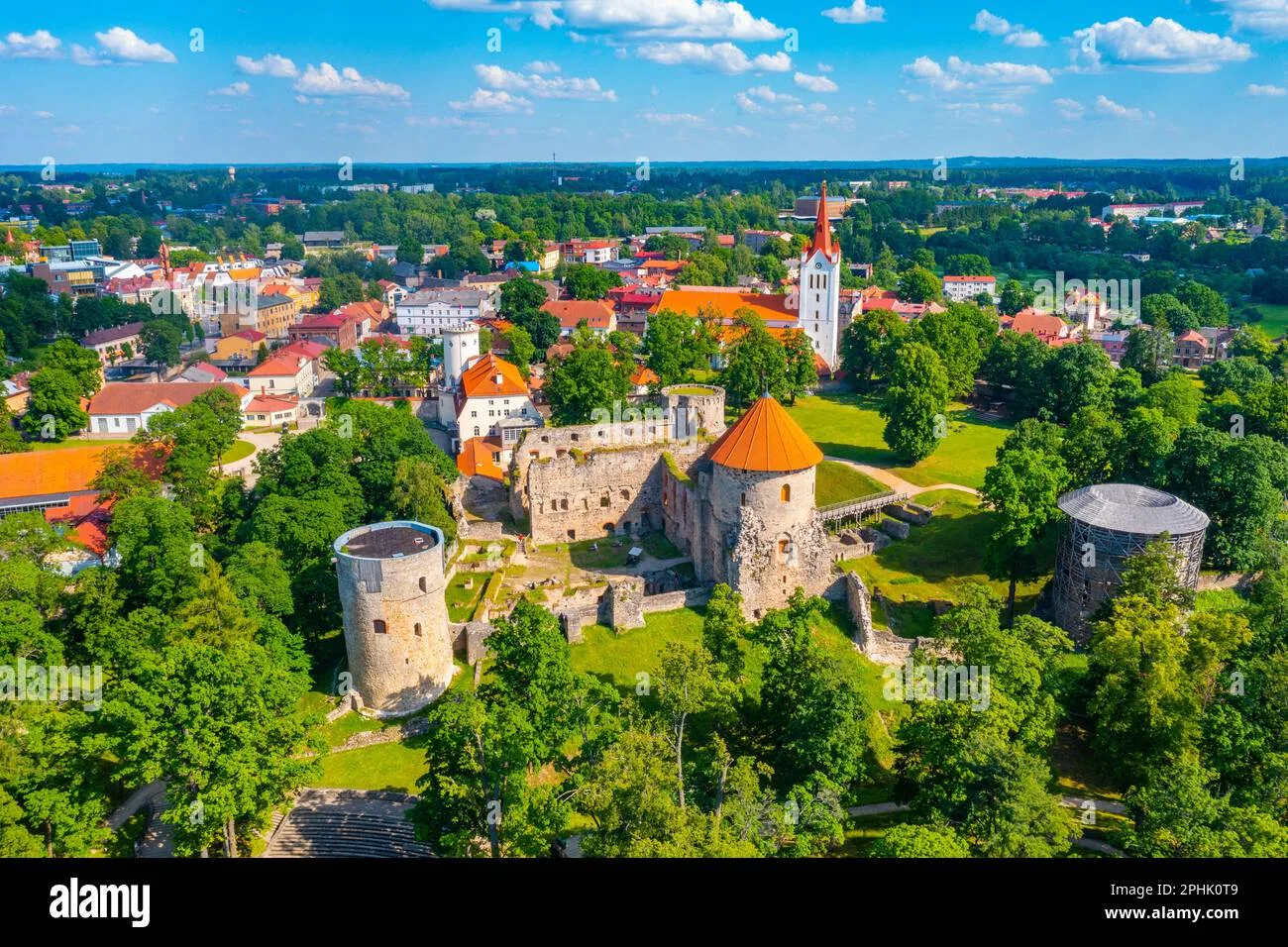
Cēsis, the region surrounding the Burning Conscience Museum, is rich with historical landmarks that deepen understanding of Latvia’s past. Central to this narrative is Cēsis Castle, a defensive structure that has played a significant role throughout Latvia’s history. Originally built in the 13th century, the castle experienced pivotal events during both Nazi and Soviet occupations, providing insights into the nation’s struggles and triumphs.
The significance of Cēsis extends beyond its castle. Local monuments and historical sites commemorate key events and figures in Latvia’s fight for independence, giving visitors a chance to connect with the history through guided tours and educational programs. Engaging with these locations enhances understanding of the broader historical context.
Travelers may also experience the rich cultural life of the region. Opportunities for guided heritage tours and participation in community events offer insights into Latvia’s historical significance. Such experiences reinforce the ideals of resilience, reminding visitors of the struggles that have ultimately shaped modern Latvian society.

Image of Cēsis Castle. (Source: Wikimedia Commons, September 2016)
Integrating Technology: How Museums in Latvia Tell Our Story
In today’s digital age, technology plays a crucial role in enhancing visitor experiences at museums like the Burning Conscience Museum. This institution employs various technological tools, including virtual tours and interactive exhibits, to engage visitors and broaden accessibility to its narratives.
Many museums across Latvia are adopting these modern approaches to reach wider audiences, enabling visitors to explore exhibitions from anywhere. Incorporating digital art and multimedia resources into storytelling allows for greater engagement, adding depth to the historical narratives presented.
These innovations significantly enhance educational outreach, particularly to younger demographics. By utilizing technology, museums can foster engaging environments where visitors experience history dynamically. This interactive engagement underscores the resilience of the Latvian people while enriching the educational framework surrounding historical narratives.

An exhibition at the Digital Art House. (Source: Riga This Week, Recent)
Beyond the Museum: Your Path to Cultural Discovery in Latvia
For those keen to explore Latvia’s historical and cultural landscape, a variety of itineraries can be crafted that include notable sites such as the Burning Conscience Museum. Attractions like Cēsis Castle, complemented by community events and dining experiences, provide a richer understanding of Latvia’s cultural heritage.
Engaging with local cuisine and participating in community festivals enrich the overall visitor experience, offering insights into contemporary Latvian life. Utilizing resources such as local guides and tourism websites can provide valuable information for planning culturally immersive visits.
Visitor feedback can also be an essential tool in crafting diverse itineraries, ensuring exposure to both celebrated and lesser-known historical sites across Latvia. Emphasizing these recommendations can facilitate a well-rounded appreciation of Latvia’s vibrant culture and historical context.

Promotional image from Cēsis Restaurant Week. (Source: Enter Gauja, 2023)
In conclusion, the Burning Conscience Museum embodies more than a collection of artifacts; it represents the indomitable spirit of resistance central to Latvia’s identity. Visitors emerge with a nuanced understanding of the Soviet-era history, the valor of resistance movements, and the cultural heritage that continues to flourish. Through educational initiatives and community engagement, Latvia honors its past while advancing towards a vibrant future. This exploration provides an avenue for visitors to connect with a nation that, despite its struggles, remains resilient and dedicated to maintaining its cultural identity.