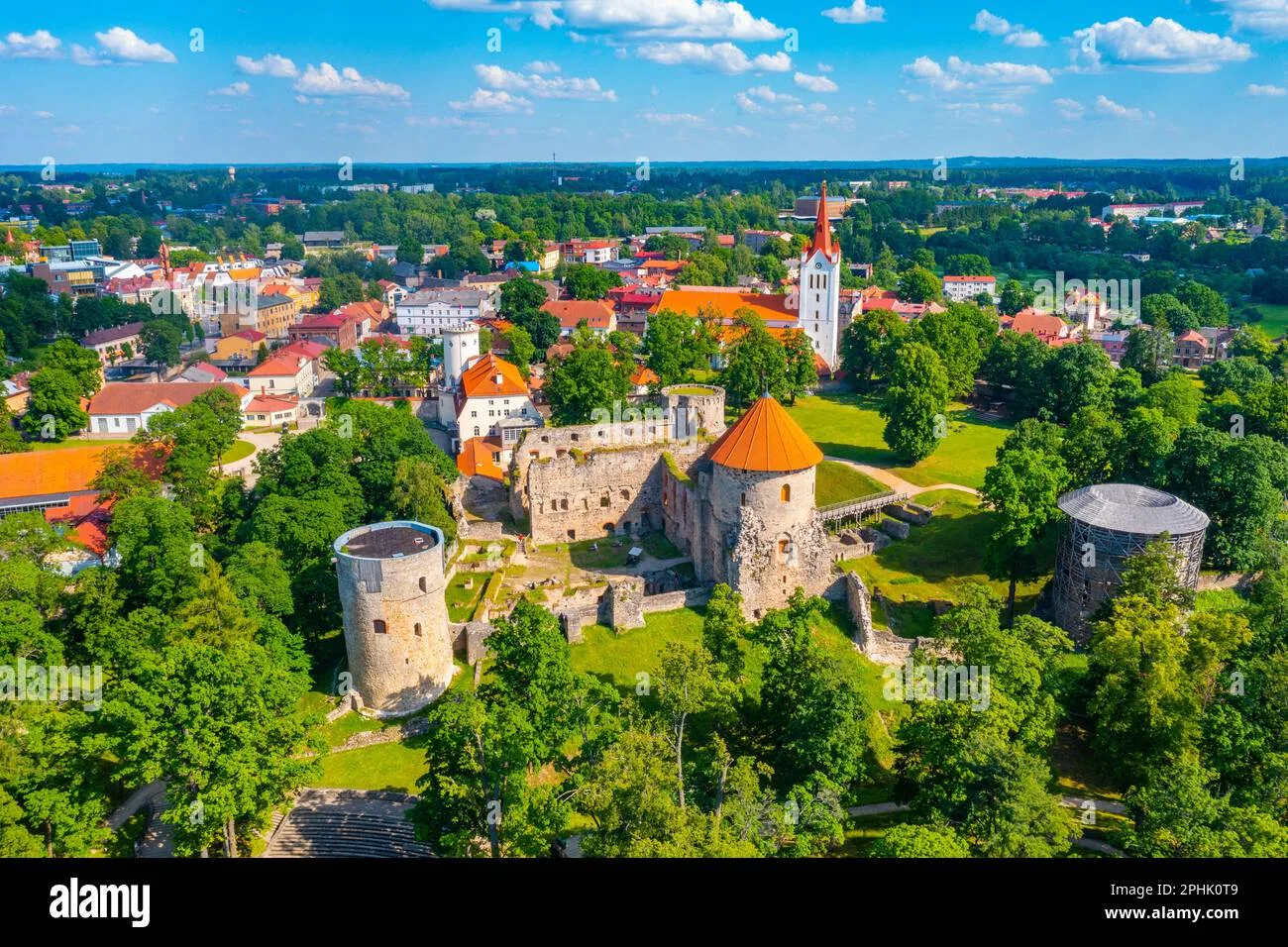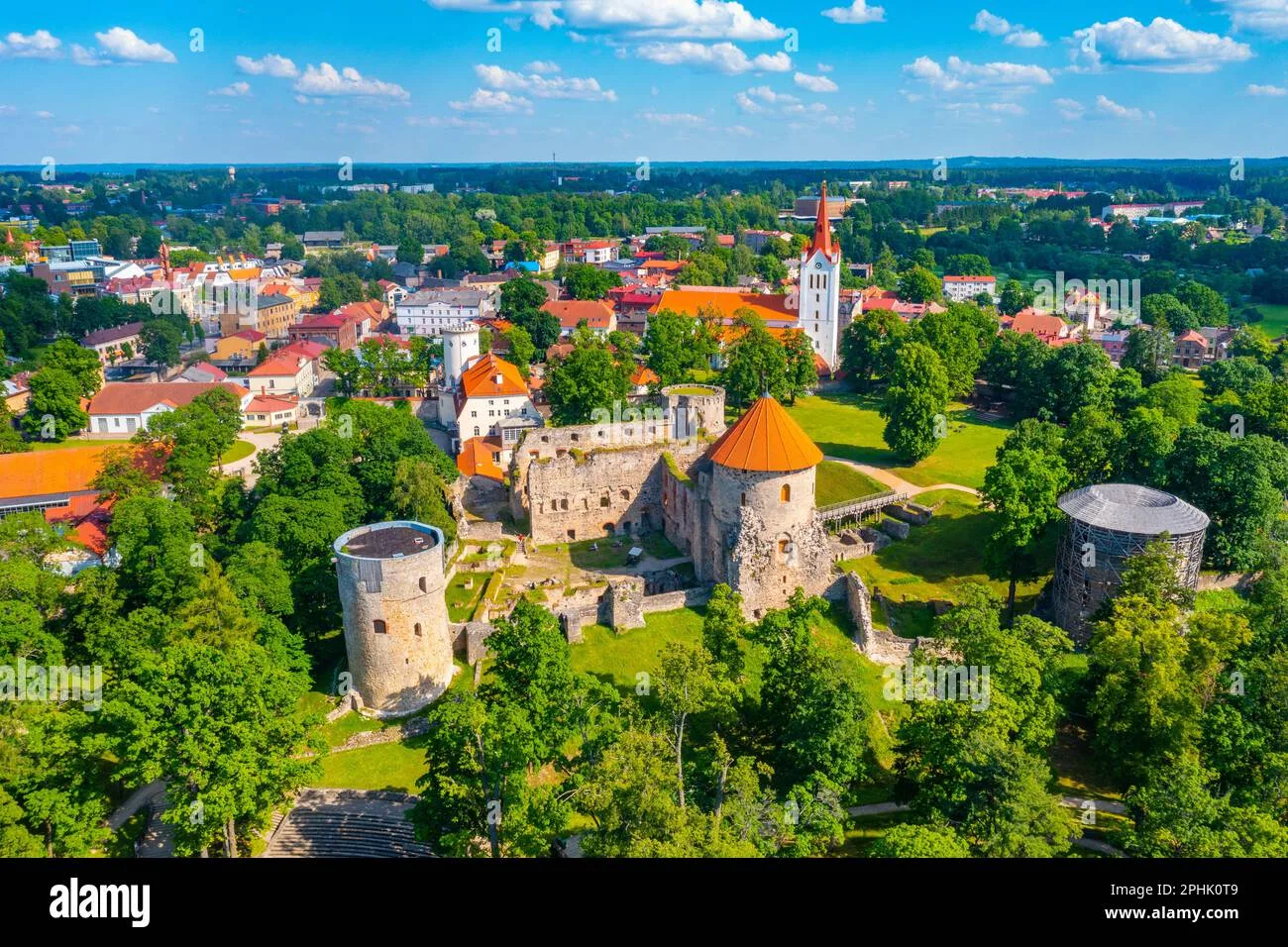
Cēsis is a captivating town that boasts a rich historical narrative, particularly through its architectural heritage. Unlike the more renowned structures typically found in Riga, Cēsis features picturesque streets adorned with charming wooden buildings, each reflecting a unique story from the 19th century. This town, often overlooked by tourists, harbors a wealth of architectural treasures that provide insight into the past, making it an ideal destination for heritage tourism enthusiasts, history buffs, and architecture lovers alike. As one strolls through the historic town, it becomes evident that each building serves as a time capsule, revealing a diverse array of influences and traditions.
The architectural richness of Cēsis is distinguished by a variety of styles that mirror the cultural evolution of Latvia. Visitors can explore structures characterized by eclectic designs, national romanticism, and, occasionally, Art Nouveau elements, which together showcase the town’s blend of tradition and innovation. Preservation initiatives in Cēsis are crucial for maintaining its wooden architecture and the cultural narratives these buildings convey. This article offers a comprehensive guide to uncovering the architectural treasures embedded within Cēsis, inviting readers to engage with both its buildings and the historical contexts they represent.
In exploring Cēsis’s unique architectural styles, one can appreciate the intricate details of its wooden structures, understand their significance in shaping the town’s identity, and learn about contemporary efforts aimed at safeguarding this heritage for future generations. Through an examination of the captivating architectural nuances and a tour of the historical residences, visitors will come to appreciate the craftsmanship and aesthetic beauty that define the wooden structures essential to Cēsis’s architectural landscape.
Uncovering Architectural Styles Beyond Riga: What Makes Cēsis Unique?
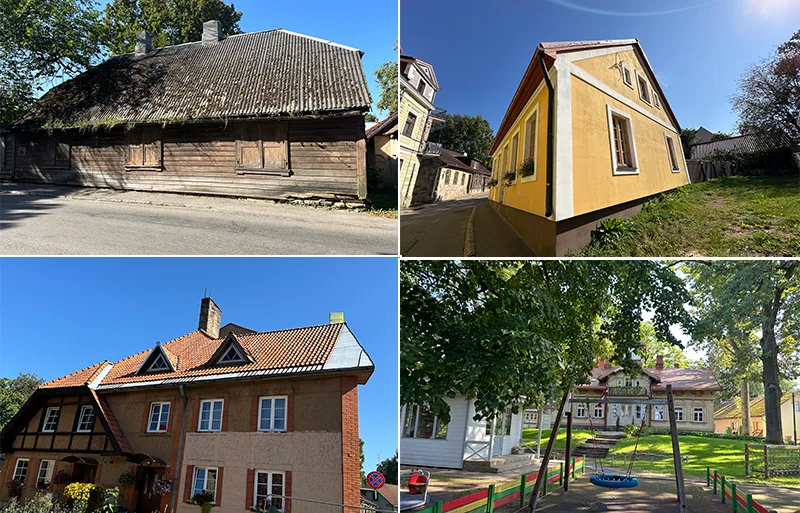
Cēsis’s wooden architecture from the 19th century is noted for its eclectic styles, which reflect the artistic and cultural currents of the time. While Riga features more uniform styles, Cēsis’s buildings showcase a distinctive blend of influences, particularly from national romanticism. This artistic movement aimed to highlight local identities and histories, which is evident in the architectural designs that incorporate motifs and materials synonymous with Latvia’s landscape.
Among the architectural styles prevalent in Cēsis are the elaborate wooden decorations that adorn many façades. These details—such as intricate latticework and romantic balconies—not only enhance the aesthetic appeal of the buildings but also serve functional purposes, providing shelter from the elements while expressing local craftsmanship. The variety of architectural styles seen in Cēsis can be attributed to the skilled artisans who developed their craft throughout the century, creating a distinctive blend of influences that characterize the town’s identity.
Discerning visitors often find themselves drawn to the wooden villas, each embodying its own historical narrative. These structures reflect the economic growth and cultural developments of the era, offering insights into the lives of those who inhabited Cēsis. With spacious layouts and unique adornments, the villas are a testament to the town’s significant role in Latvia’s architectural heritage.
Detailed images showcasing the unique architectural styles found in Cēsis’s historical wooden buildings (Source: Female Solo Trek)
Exploring Cēsis’s Hidden Architectural Gems: Your Guide to Architectural Hunting
For those eager to explore Cēsis’s wooden architecture, a journey through its historic streets offers a wealth of discovery. Guided walking tours are available, designed specifically to highlight the architectural significance of the town. One popular route takes visitors through the heart of the old town, where notable structures are interwoven with local stories and folklore.
Key highlights include charming wooden villas that showcase meticulously crafted details. Characterized by colorful façades and intricate ornamental features, these buildings provide valuable insights into the architectural styles that dominated the 19th century. Each structure tells its own story, reflecting the lives of past inhabitants and the community’s ongoing efforts to preserve its architectural legacy.
Engaging with local historians or participating in community-led tours further enriches the experience. They often share local anecdotes and hidden narratives about the buildings, unveiling layers of Cēsis’s history that may not be readily apparent. Seasonal events that focus on wooden architecture also offer opportunities to learn how these homes fit into contemporary life while celebrating their historical context.

A map highlighting walking routes for exploring Cēsis’s wooden architecture (Source: Enter Gauja)
The Significance of Wooden Villas: Icons of Cēsis’s History
Wooden villas in Cēsis are not only exquisite examples of 19th-century architecture but also significant markers of the local economy and lifestyle during that period. These structures often served as homes for prominent merchants and influential families, who played a crucial role in the town’s economic development. The architectural sophistication of these villas reveals aspects of the social dynamics of the time, showcasing design elements that reflect wealth and status.
Preservation efforts for these villas are critical, as they represent an irreplaceable part of Cēsis’s cultural heritage. Recent restoration projects focus on maintaining authenticity while ensuring that the structural integrity of the buildings is preserved. Experts in restoration work diligently to retain the intricate designs that characterize the original constructions, highlighting the importance of skilled craftsmanship in maintaining historical buildings.
Specific villas have gained recognition for their architectural and historical significance, embodying the eclectic style, romantic elements, and innovative designs from the 19th century. These buildings not only serve as artistic treasures but also play an essential role in the community’s ongoing narrative, inviting residents and visitors alike to appreciate their unique historical and architectural contributions.

A before-and-after comparison image showcasing the restoration of a wooden villa in Cēsis (Source: LSM)
Spotting Art Nouveau Influences in Cēsis’s Wooden Architecture
Art Nouveau, with its elegant forms and intricate designs, has subtly influenced the architectural scene in Cēsis. While the style may not be as prominent as in larger urban centers, key characteristics of Art Nouveau can be identified in several of Cēsis’s wooden structures. Visitors interested in this style should look for flowing lines and organic shapes in the buildings, particularly in the ornate details that embellish their façades.
The decorative elements frequently feature floral patterns and stylized motifs inspired by the natural world, showcasing the artistic dialogue between local craftsmanship and broader European architectural movements. Understanding this interplay deepens appreciation for Cēsis’s architectural richness and highlights its cultural exchanges throughout the 19th century.
As one explores the streets of Cēsis, it becomes clear that the architectural landscape is a blend of local traditions enriched by global influences, creating a unique tapestry that reflects both historical and contemporary narratives.

An image illustrating Art Nouveau elements visible in the architecture of Cēsis (Source: The Sanet Travel)
Preserving the Heritage: Challenges and Successes in Cēsis’s Wooden Architecture
Efforts to preserve the wooden architecture of Cēsis are vital for maintaining the aesthetic beauty and historical significance of the town’s buildings. Various restoration projects have emerged in recent years with a focus on specific methods, involving local experts to ensure high-quality outcomes.
Community involvement is a key component of these efforts, with workshops aimed at educating participants on restoration techniques relevant to wooden architecture. These sessions not only impart essential skills but also foster awareness about the importance of heritage conservation within the community. By engaging local residents, these initiatives help ensure that the skills and knowledge required for restoration are passed down through generations.
Additionally, securing funding for preservation initiatives has become increasingly important, as local authorities actively seek resources to support these efforts. Successful restoration projects serve as a testament to the community’s commitment to safeguarding its historical legacy while providing a model for future cultural and architectural conservation initiatives.

An image depicting the progress of restoration projects for Cēsis’s wooden buildings (Source: LSM)
Cēsis in the Global Context: The Potential for UNESCO World Heritage Recognition
The significance of Cēsis’s architectural heritage raises an important question regarding its potential inclusion on the UNESCO World Heritage list. For the wooden architecture of Cēsis to qualify for such recognition, it must meet specific criteria established by the World Heritage Committee.
These criteria require that the architecture demonstrate exceptional value associated with human creative activity, showcase significant historical relationships through its designs, and present outstanding examples reflecting particular architectural styles or periods. The authenticity and integrity of Cēsis’s wooden buildings are essential factors in fulfilling these requirements.
Gaining UNESCO designation would not only elevate Cēsis’s status as a heritage site but would also positively impact local tourism. Potential recognition would attract greater attention to the area, encouraging preservation efforts and fostering economic development through tourism. However, achieving UNESCO status requires thorough documentation, stakeholder engagement, and adherence to rigorous international standards.

An image representing one of the UNESCO World Heritage sites in Latvia (Source: UNESCO)
Conclusion
Cēsis serves as a testament to the architectural richness and historical complexity of Latvia’s built environment. The narratives embedded within its 19th-century wooden architecture illuminate stories of local craftsmanship, international influences, and the cultural identity that has evolved over centuries.
By exploring the unique architectural styles that grace Cēsis, visitors can not only appreciate the beauty of these structures but also understand the deeper stories and connections to the town’s community. Ongoing preservation and restoration efforts remain crucial to celebrating and safeguarding this rich historical legacy for future generations.
In summary, Cēsis’s architectural treasures offer an engaging journey through time, providing a valuable experience for heritage tourism enthusiasts, architecture lovers, and history buffs. As interest in this charming town grows, so does the commitment to preserving its architectural heritage, ensuring that Cēsis continues to be an integral part of Latvia’s cultural narrative.