Cēsis Embraces Green Energy: Large Solar Park Powers 10,000 Households
Cēsis Guide · Updated 23 January 2025 · 6 min read
The Cēsis solar park marks a transformative milestone in Latvia’s renewable energy landscape, delivering clean power to over 10,000 households. Covering approximately 23 hectares, this state-of-the-art facility boasts an impressive capacity of 19.8 megawatts (MW) and features more than 33,500 solar panels. Officially launched in September 2024, this solar park represents a significant commitment to environmental sustainability and a strategic move towards Latvia’s ambitious renewable energy goals.
The collaboration between Merito Partners and Saules Energy reflects a substantial investment from both private and institutional sectors in Latvia, amounting to approximately €12 million. As global concerns over climate change intensify, the Cēsis solar park symbolizes a vital step in reducing greenhouse gas emissions. This article explores the scale of the solar park, its operational details, community impact, and its alignment with national energy strategies.
What’s Behind Cēsis’s Solar Revolution?
The Cēsis solar park exemplifies a vital shift toward renewable energy in Latvia, reinforcing the municipality’s commitment to sustainability. Developed collaboratively by Merito Partners and Saules Energy, the solar park occupies a profound 23 hectares. This facility serves as a strategic effort to minimize reliance on fossil fuels and foster energy independence.
According to LSM, the solar park officially began operations in September 2024. This project enhances local energy production and aligns with Latvia’s goals to reduce greenhouse gas emissions by 65% by 2030. Local stakeholders’ active involvement illustrates the community’s dedication to ecological practices, positioning Cēsis as a model for other regions.
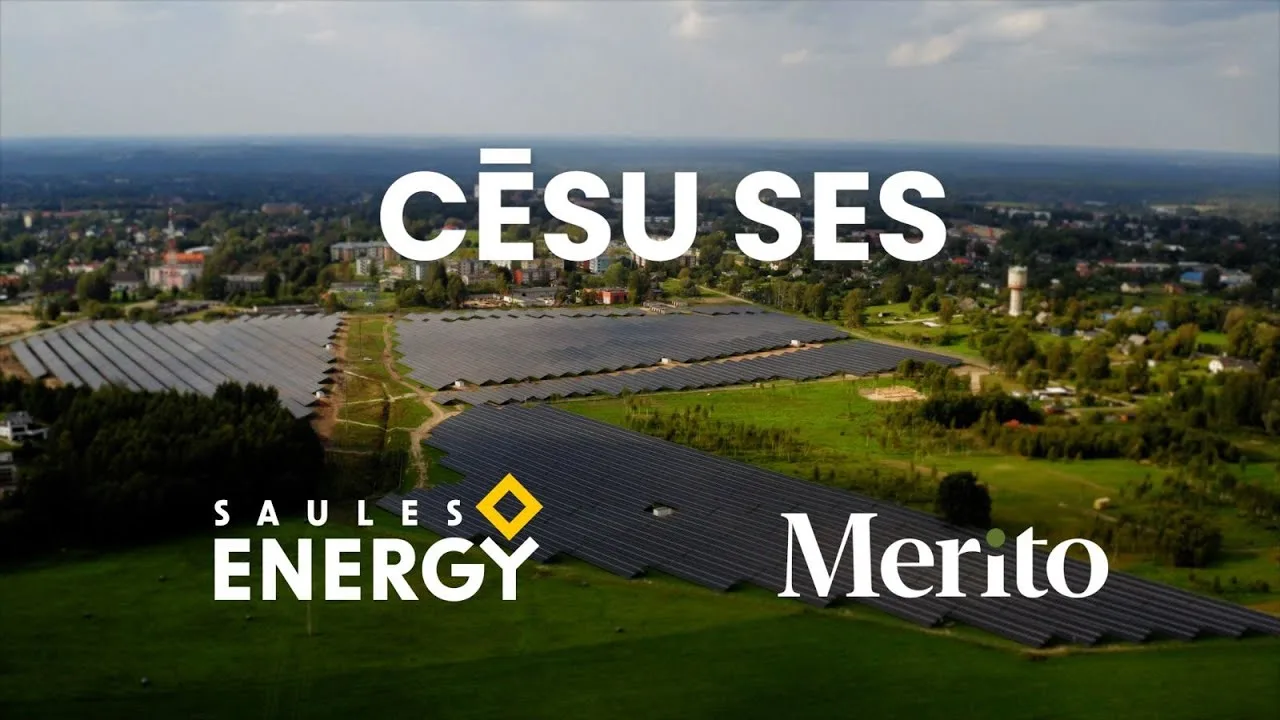
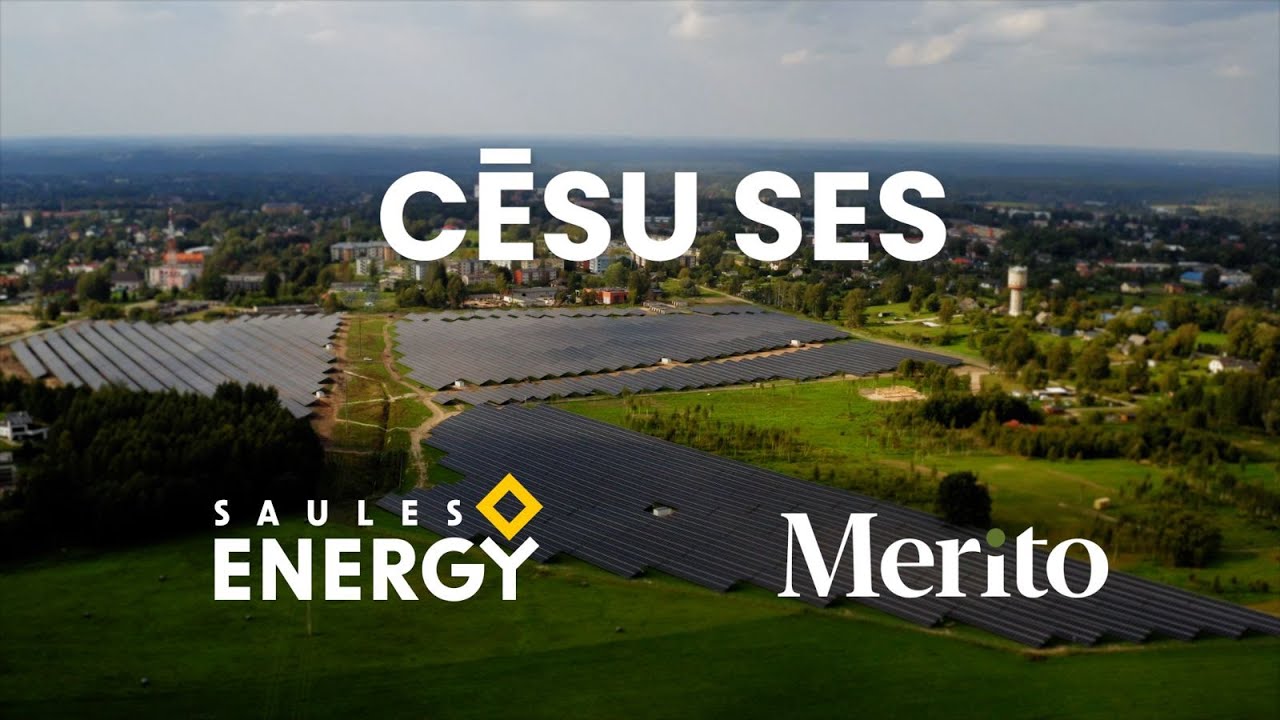
Image: An aerial view showcasing the extensive layout and scale of the Cēsis solar park. Source: LSM
Powering the Future: How Much Energy Does It Generate?
The renewable energy capabilities of the Cēsis solar park are impressive. It is expected to generate around 20,400 megawatt-hours (MWh) annually. This output is substantial enough to power 10,000 households, significantly enhancing the region’s energy security. The peak capacity of 19.8 MW illustrates the solar park’s advanced technology and efficient design.
With over 33,500 solar panels installed, the Cēsis solar park showcases a strong commitment to harnessing solar energy effectively. The operational efficiency of these panels operates akin to a well-oiled machine, converting sunlight into usable electricity and ensuring a consistent power supply. The integration of this facility into the local energy grid fosters not only local consumption but also contributes to a broader regional energy strategy focused on sustainability.
Image: An infographic illustrating renewable energy production statistics, including solar energy contributions. Source: Shutterstock
Investing in Sustainability: The Economic Impact
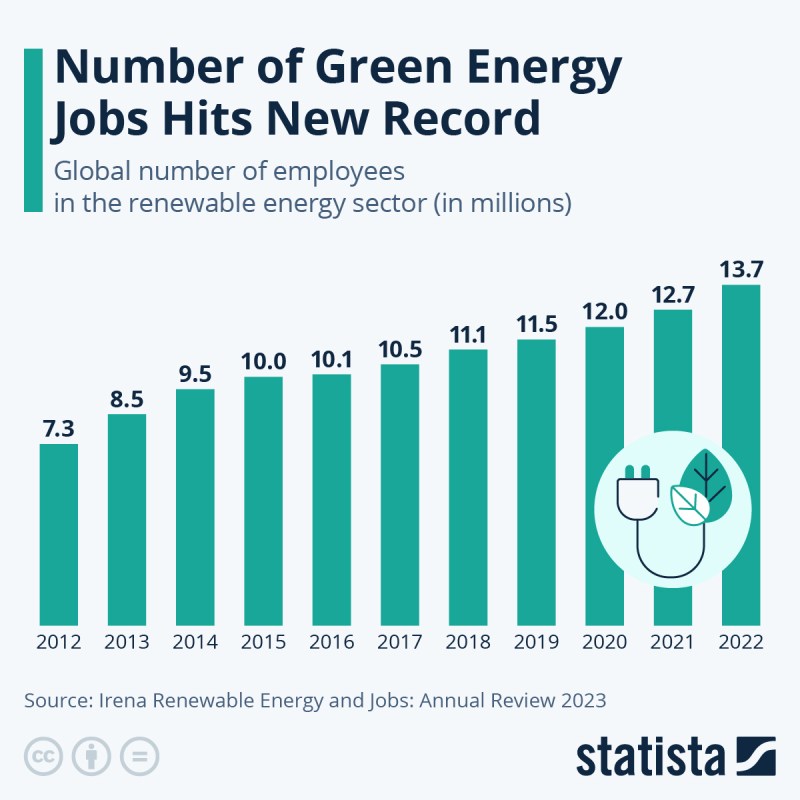
The Cēsis solar park profoundly impacts the local economy with a significant investment of approximately €12 million, primarily from Latvian private capital. This substantial project not only generates clean energy but also stimulates local job creation during both the construction and operational phases. Although precise job numbers are not available, industry standards indicate that utility-scale solar installations typically create approximately 2.1 jobs per MW.
Economic Benefits Identified:
Job Creation: Solar construction and operation generate numerous local jobs.
Business Growth: Local businesses experience increased demand due to the presence of the solar park.
Energy Diversification: The project enhances energy sources, reducing long-term energy costs for residents.
These economic implications extend beyond employment; they bolster local businesses and services due to the increased demand generated by the project. Additionally, the Cēsis solar park reinforces the local economy’s resilience by diversifying its energy sources and decreasing reliance on imported fossil fuels.
Image: A bar chart showing economic results linked to renewable energy sectors, including job creation statistics. Source: Statista
Environmental Guardian: Reducing Carbon Footprint
The Cēsis solar park plays a crucial role in reducing carbon dioxide (CO2) emissions. Although specific data on CO2 reductions from the park itself is limited, it contributes to Latvia’s broader renewable energy targets. Latvia aims for a 61% share of renewable energy sources by 2030, promoting climate-neutral strategies for future development.
The Cēsis solar park aligns with the national strategy to achieve climate neutrality by 2050, emphasizing the significance of increasing solar energy capacity. Similar projects globally indicate that solar generation can deliver substantial emission reductions, fostering a cleaner atmosphere.
“Investing in renewable energy is not just beneficial for the environment; it also supports economic development and community well-being.”
Image: A before-and-after image showing the construction of the solar park, highlighting environmental changes. Source: LSM
Join the Movement: Community Response and Future Vision
The feedback from the local community towards the Cēsis solar park has been overwhelmingly positive. Officials, alongside residents, express pride in their renewable energy initiative. This solar park not only embraces clean energy but also serves as a catalyst for future renewable projects within the region.
Plans for future expansions or similar solar projects are currently under discussion, as local leaders recognize the benefits of enhancing renewable energy production. This regional energy strategy increasingly focuses on advancing renewable sources, aligning with Latvia’s commitment to combatting climate change and investing in sustainable infrastructures.
Image: A photo depicting community engagement and events surrounding the solar park project in Cēsis. Source: YouTube
Comparing Regional Efforts: Cēsis in Context
When comparing the Cēsis solar park with other solar initiatives in Latvia and neighboring countries, it stands out due to its scale and impact. The Latvian government aims to dramatically increase solar energy capacity by 2030, with expectations of a 297-fold growth in the sector. The Cēsis project serves as an emblem of effective public-private partnerships, setting a standard for other municipalities seeking to develop renewable energy solutions.
ProjectCapacity (MW)Households ServedAnnual Generation (MWh) | Cēsis Solar Park | 19.8 | 10,000 | 20,400 | Example Regional Project | 15.0 | 8,000 | 15,300 | Neighboring Country Project | 10.0 | 5,000 | 10,200
The successful implementation of the Cēsis solar park highlights both opportunities and challenges in expanding renewable energy. While financial and logistical barriers may exist, the benefits of clean energy generation, economic development, and environmental sustainability more than compensate for these issues.
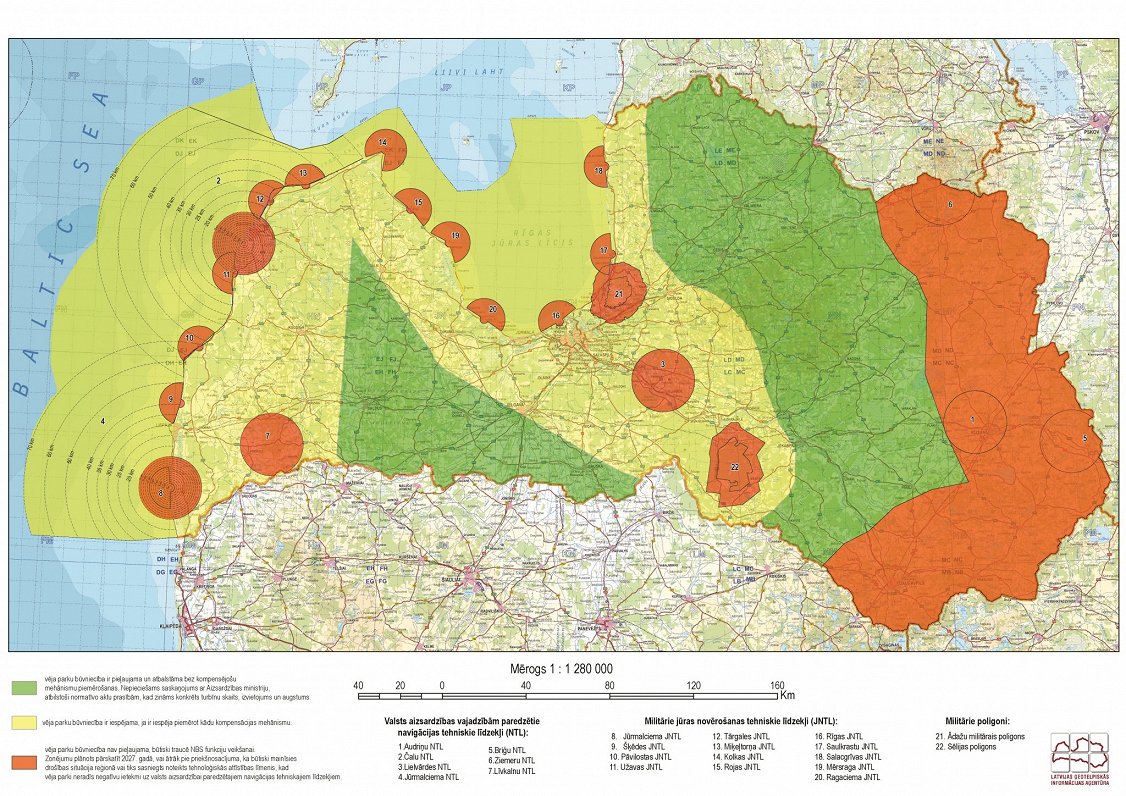
Image: A map displaying solar parks across Latvia and their capacities, providing a comparative context. Source: LSM
Conclusion
The Cēsis solar park signifies a vital achievement in Latvia’s green energy transition, effectively powering over 10,000 households while aiding in the country’s climate objectives. With its substantial capacity and comprehensive design, this project reflects a commitment to both environmental sustainability and economic resilience within the community.
As the focus on renewable energy intensifies, the Cēsis solar park serves as a blueprint for future projects in Latvia and beyond. By successfully engaging local stakeholders and investing in clean energy infrastructure, Cēsis stands at the forefront of the country’s renewable energy movement, paving the way for a sustainable future.