Discovering Hidden Treasures in Gauja National Park
Gauja National Park is Latvia’s largest and one of its most beautiful natural landscapes. Offering a blend of rugged terrain, lush forests, and serene rivers, it’s a place that beckons nature lovers and hikers alike to explore its hidden trails. While many visitors flock to well-known paths, the lesser-known trails hold a unique charm and invite you to experience the park from a different perspective.
These hidden routes provide an opportunity to connect more deeply with nature. Along the way, you’ll discover not only stunning scenery but also the stories that this landscape holds. From tranquil streams to unique rock formations, these trails offer a chance to see the quieter side of Gauja National Park, free from the hustle and bustle of crowds. With each step, you can immerse yourself in the region’s rich biodiversity and history, which adds to the overall experience.
When planning your visit, consider stepping off the beaten path. The hidden trails of Gauja National Park are waiting for you, ready to unveil their natural beauty.
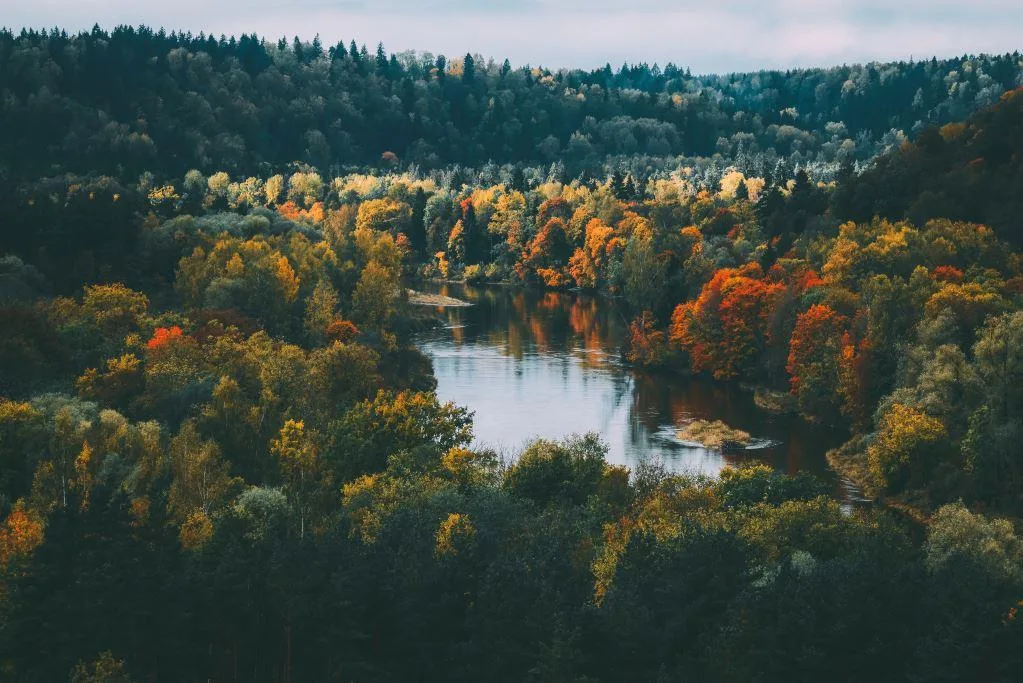
Description: A breathtaking view of the Gauja National Park’s rich landscape, showcasing its lush greenery and serene waterways. (Source: Latvia Travel)
Getting Started: How to Access Gauja’s Hidden Trails
Accessing the hidden trails of Gauja National Park is easier than you might think. The park is well-connected by major roads, with entry points from towns like Sigulda, Cēsis, and Ieriki. Upon arrival, you have the option to explore the trails on foot or even by bicycle.
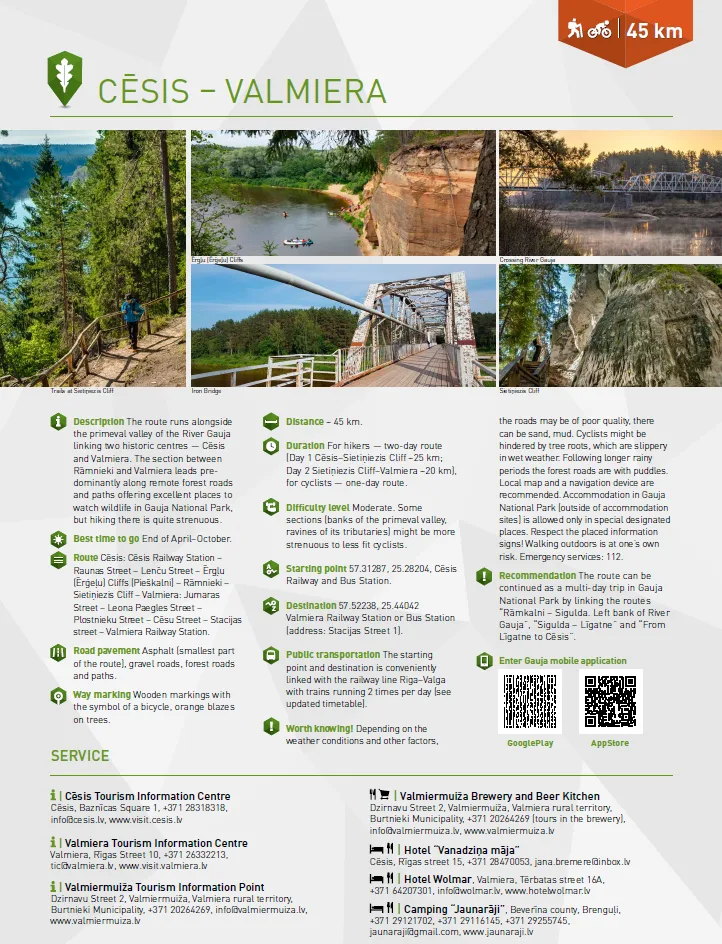
To fully enjoy your hike, it’s advisable to use detailed maps, as signposting may be inconsistent in less frequented areas. You can purchase a reliable map from the Sigulda station tourist office or use hiking apps such as Outdoor Active or AllTrails for better navigation. These tools can enhance your experience by allowing you to discover concealed trails and unique attractions.
Using public transportation options or guided tours can further simplify your journey, allowing you to focus more on enjoying the trails rather than logistics.

Description: A detailed map illustrating the various trails available within Gauja National Park, including hidden access points. (Source: The Budget Minded Traveler)
Trail Recommendations for Every Hiker: From Beginners to Adventurers
Gauja National Park cater to hikers of all experience levels, making it an ideal destination for everyone. Beginners looking for a gentler introduction to hiking will find the Cecilu Nature Trail perfect. This short trail leads you along the banks of the Kumada, Danchupite, and Amata Rivers, offering stunning views while avoiding difficult terrain.
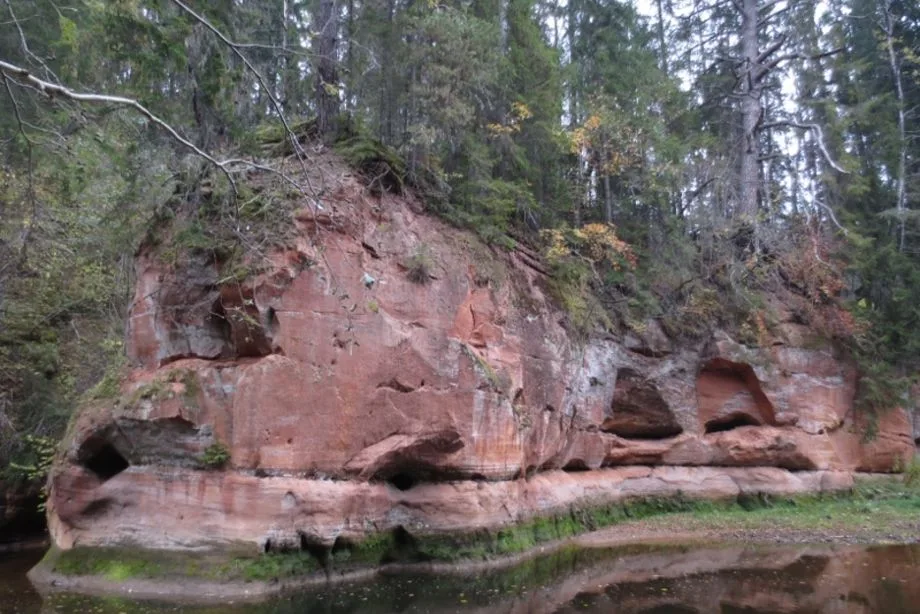
For more seasoned hikers, the Witch’s Cauldron trail presents a thrilling challenge with its steep slopes in the Vējupīte ravine. This route rewards your effort with breathtaking sights and unique geological features like sandstone outcrops and pristine creeks. You might also want to explore the Kubesele Nature and History Trail, which showcases not just the natural environment but also historic sites such as the Kubesele Hillfort and Krimulda Pastor’s House.
By selecting a trail suited to your skill level, you can ensure that your hiking experience in Gauja National Park is both enjoyable and fulfilling.

Description: A view showcasing one of the hiking trails, providing insight into the terrain and environment encountered along the route. (Source: Enter Gauja)
Embracing Nature: Flora and Fauna on the Hidden Trails
As you venture along the paths less traveled in Gauja National Park, you’ll have the chance to encounter a range of unique flora and fauna. The park’s biodiversity is particularly rich in the less-frequented areas, where you can find rare species thriving. For example, the Sudas-Zviedru mire is known for having a high concentration of Moor Frogs, while drier pine forests offer a habitat for the elusive Sand Lizard.
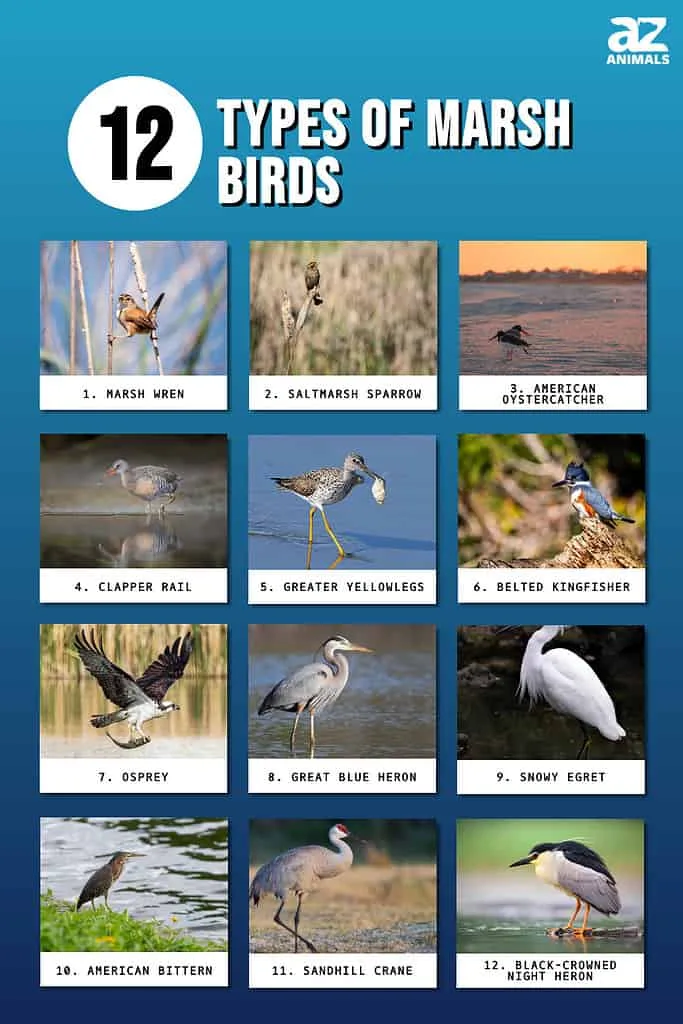
Notably, the park is home to larger mammals, including lynx and bears, which add to the ecological diversity of this stunning area. It’s essential to be mindful of your surroundings and appreciate the wildlife you encounter while on the trails. Birdwatchers will be especially pleased to know that rare species like the black stork and lesser spotted eagle nest in the park, making it a valuable location for bird observation.
Taking the time to explore Gauja’s flora and fauna will not only enhance your experience but also deepen your understanding of the ecological significance of this remarkable park.

Description: An illustration of wildlife within the territory of Gauja National Park, highlighting the unique animal species that inhabit these hidden trails. (Source: Alamy)
Cultural History Unveiled: Sites Along the Hidden Paths
Exploring the hidden trails of Gauja National Park offers a unique opportunity to delve into the region’s rich cultural and historical context. The Kubesele Nature and History Trail leads to important historical sites such as the Kubesele Hillfort, a fortified settlement dating back to the 1st millennium BC. This trail not only allows you to connect with nature but also with Latvia’s ancient heritage.
Similarly, the Vikmeste Trail meanders through locations that historically served as natural boundaries. Along this trail, you might discover hidden landmarks that deepen your appreciation for the area’s past.
You may also come across remnants of Soviet-era structures scattered along some paths, providing a glimpse into a different chapter of Latvia’s history. By engaging with both the natural and cultural aspects of the park, you can gain a more comprehensive understanding of what makes Gauja National Park such a treasured destination.

Description: A photo of Kubesele Hillfort, an important historical site along one of the lesser-known trails in Gauja National Park. (Source: Enter Gauja)
Nature’s Seasons: When to Visit and What to Expect
The trails in Gauja National Park change with the seasons, each bringing its unique characteristics and challenges. In spring, as wildflowers bloom and greenery returns, you’ll find the landscapes particularly inviting. Although some trails may be muddy from thawing, the vibrant environment makes it worthwhile for those eager to explore.
During summer, from June to August, the park shines with lush foliage and plenty of wildlife activity. You’ll find temperatures ranging from 15 to 25°C (59 to 77°F), providing comfortable conditions for hiking.
As the weather shifts into autumn, the park transforms into a vibrant display of fall colors. The trails, often quieter than in summer, give you a chance to step back and appreciate the natural beauty without the summer crowds.
In winter, the trails can become challenging due to snow and ice. While you should take precautions, the winter landscape offers a different kind of beauty, revealing views often obscured by leaves in other seasons.
Understanding how seasonal changes affect the trails will help you plan your adventure effectively and select the best times to visit.

Description: A serene winter scene capturing the beauty of the Gauja River and the surrounding landscape after snowfall. (Source: John the Go)
Safety First: Prepare for Off-the-Beaten-Path Exploration
While exploring the hidden trails of Gauja National Park can undoubtedly be rewarding, it’s crucial to prioritize safety. Start with the right gear: sturdy footwear is essential since many paths can be slippery or uneven.
Before you begin, check the local weather conditions and carry a detailed map or use a navigation app. In remote areas of the park, cell phone service may be limited, so ensuring you have a power bank or a means of communication is important.
Be aware of the wildlife you may encounter. While seeing lynx or bears is rare, knowing how to act in their presence is vital to ensure both your safety and that of the animals.
Consider exploring in a small group or joining a guided tour, especially if you’re unfamiliar with the terrain. This can add to your enjoyment and safety as you navigate these less-traveled paths.

Description: An informative infographic outlining key safety tips for hikers venturing off the beaten path. (Source: Shopify)
Eco-Friendly Hiking: Practices for Nature Lovers
As you enjoy the splendor of Gauja National Park, it’s vital to engage in eco-friendly hiking practices to protect this natural environment. Start by adhering to the “leave no trace” principles; this includes packing out whatever you bring in and staying on designated trails to minimize your impact.
Look for opportunities to participate in conservation initiatives whenever possible. Many parks offer volunteer days or clean-up events, providing a chance to give back to the land while enjoying the great outdoors. Being mindful of your surroundings also helps you connect more deeply with the environment, making your hiking experience even more fulfilling.
By embracing these sustainable practices, you not only enhance your adventure but also contribute to preserving the beauty of Gauja National Park for generations to come.

Description: An informative image featuring eco-friendly hiking practices that promote conservation and responsible outdoor activities. (Source: Eco Green Love)
Your Adventure Awaits: Planning Your Journey
As you consider the wonders awaiting you in Gauja National Park, it’s apparent that the hidden trails offer memorable experiences. This guide strives to inspire you to strap on your hiking boots and discover the park’s untouched beauty.
From choosing the right trail for your skill level, like the beginner-friendly Cecilu Nature Trail or the challenging Witch’s Cauldron, to immersing yourself in the historical context of the area, Gauja has something for every nature enthusiast.
So, get out there and plan your adventure! Each trek can reveal new insights and connections, reaffirming your appreciation for the great outdoors. As you delve into the beauty and history of Gauja National Park, do so with the respect it deserves. Your journey through these hidden trails awaits.

Description: A stunning sunset view over Gauja National Park, capturing the serene beauty of the landscape and inviting readers to explore. (Source: Wikipedia)