The revival of medieval crafts by contemporary artisans is a significant cultural movement that resonates throughout communities worldwide, notably in regions rich in history such as Cēsis, Latvia. This small town, steeped in historical significance, serves as a cultural hub where traditional skills are preserved and creatively adapted for today’s context. As artisans breathe life into ancient techniques, they create a bridge between past and present, fostering local economies while enriching cultural heritage. This article explores the importance of medieval craft revival, profiles the artisans leading this movement, outlines educational opportunities that facilitate skill transmission, examines the integration of modern technology within traditional frameworks, and highlights the benefits this revival brings to communities.
Why Reviving Medieval Crafts Matters Now
The cultural significance of medieval crafts lies not only in their aesthetic value but also in their ability to convey the historical values and traditions of centuries past. In Cēsis, artisans reviving these ancient techniques do more than recreate artifacts; they instill a sense of identity and continuity within their community. Crafts such as blacksmithing, weaving, and embroidery encapsulate the spirit of collaboration and skill that defined medieval society, illustrating how artisanship was integral to communal life.
Research indicates that towns such as Cēsis experience substantial economic benefits from the revival of crafts. According to the Heritage Crafts Association, craft enterprises stimulate local economies by attracting tourism, creating jobs, and supporting local artisans. This revival fosters a culture that values craftsmanship, encouraging community engagement and appreciation for historical trades. Additionally, modern artists draw inspiration from medieval techniques, blending them with contemporary artistry to create unique pieces that resonate with diverse audiences.
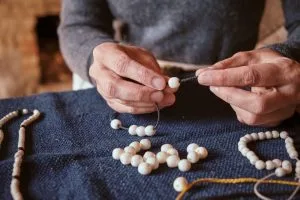
An artisan working on medieval crafts, showcasing the skills and techniques being revived (Source: Cēsis Schools).
Meet the Modern Artisans Breathing Life into History
In Cēsis and surrounding areas, many artisans play critical roles in the revival of medieval crafts. Paul Moneypenny, for instance, is a blacksmith known for his expertise in medieval metalwork. He specializes in recreating historical weapons and armor using traditional methods. His work not only preserves the techniques but also exemplifies the artistry that characterized these crafts in the past.
Another prominent artisan is Tanya Bentham, recognized for her skills in medieval embroidery. Bentham employs techniques like opus anglicanum to craft textiles that reflect historical significance. Each piece she produces serves as a testament to the skills passed down through generations. Artisans like Moneypenny and Bentham often share personal anecdotes about their work, emphasizing a passion for history and a commitment to preserving traditional crafts.
Collaboration with cultural institutions further enhances this movement. Artisans frequently partner with museums to showcase their creations, highlighting the relevance of historical craftsmanship in contemporary society. Such efforts not only help preserve their crafts but also educate new generations about their historical contexts.

A portrait of a textile worker highlighting the artistry involved in textile creation (Source: MAD Museum).
Hands-On Crafting: Where to Learn Traditional Techniques
Individuals interested in learning medieval crafts can find numerous opportunities through workshops and apprenticeship programs. One notable initiative is the Traditional Trades Advancement Program (TTAP), which provides participants with hands-on training in traditional trades, including blacksmithing and stone masonry. This immersive experience not only develops skills but also fosters a deep appreciation for the historical context of these crafts.
In Cēsis, local artisans conduct workshops where visitors can actively engage in learning. These sessions cover various crafts, such as weaving and pottery, allowing participants to experience medieval techniques firsthand. Such programs attract individuals passionate about history and artistic expression.
Institutions like the Casa Batlló Apprenticeship Programme in Spain exemplify the integration of education and craft, enabling apprentices to work on heritage projects. By merging theoretical knowledge with practical application, these educational opportunities pave the way for a new generation of craftspeople.

Girls participating in crafting workshops, demonstrating hands-on learning of traditional techniques (Source: The Tribune).
The Unique Blend: Traditional Techniques Meet Modern Technology
The intersection of medieval craft techniques and modern technology inspires innovative advancements. Artisans increasingly incorporate tools like 3D printers into their creative processes, allowing for new forms and designs that adhere to traditional aesthetics. For example, projects such as the Nerdy Gurdy enable artisans to produce medieval instruments, blending historical design with contemporary manufacturing capabilities.
Digital design tools enable craftsmen to replicate intricate medieval patterns efficiently. By leveraging these technologies, artisans enhance their productivity while preserving the authenticity that defines medieval craftsmanship. This balance between tradition and innovation fosters a dynamic craft environment, encouraging artisans to explore new possibilities while respecting their heritage.
Artisans like Paul Moneypenny note that employing modern technologies complements traditional skills rather than replacing them. This integration serves as a bridge, ensuring that the essence of medieval craftsmanship continues to flourish in modern contexts.

A 3D printing setup being used to create textile components, bridging traditional craft with modern technology (Source: Re-FREAM).
Supporting Local Crafts: The Role of Travelers and Enthusiasts
Individuals seeking to support local artisans can have a meaningful impact by engaging with craft communities during their travels. Purchasing handmade items directly from artisans not only provides financial support but fosters an appreciation for the skills and history behind each piece.
When exploring regions like Cēsis, it is essential to seek out local markets and artisan fairs where craftspeople showcase their creations. Encouraging ethical consumption and valuing authenticity in craftsmanship ensure that local economies benefit from tourism. Engaging with artisans through workshops or internships further enables individuals to contribute positively to preservation efforts.
Research from the Heritage Crafts Association highlights the economic benefits of artisan trades in tourism, illustrating how collaboration between tourism and craft can enhance community vitality. Success stories of artisans in Cēsis demonstrate the transformative potential of local engagement, ultimately leading to sustainable craft economies.

Local vendors showcasing handmade crafts at an artisan market, emphasizing direct support for local artisans (Source: Freepik).
Challenges in Craft Revival: Navigating Modern Markets
Despite the thriving revival of medieval crafts, artisans confront several challenges when adapting their techniques to meet modern market demands. Compliance with health and safety regulations presents critical concerns. Traditional craftsmanship often involves hazardous materials and processes, requiring artisans to adopt modern safety measures and protocols.
Consumer expectations can also complicate matters. Many buyers desire durable and functional products, which can conflict with the authenticity of medieval methods. Balancing this demand while maintaining traditional crafting values can present a dilemma for artisans striving to meet contemporary expectations.
Economic pressures play a role as well, with many craftspeople struggling to price their work competitively while ensuring fair compensation for their specialized skills. As the market evolves, artisans must continually adapt, leveraging technology while remaining true to their craft.

A cabinetmaker in a carpentry shop using safety equipment, demonstrating modern challenges artisans face (Source: Alamy).
The Cultural Economy of Craft: Ensuring a Sustainable Future
The long-term benefits of medieval craft revival extend beyond preserving traditional techniques. Crafting contributes significantly to local economies, stimulating commerce and fostering creativity. As communities support artisans, they nurture a rich cultural tapestry that enhances social cohesion and identity.
Research indicates that as craft industries expand, they create job opportunities and stimulate economic activity, leading to revitalized communities. Educational programs play a crucial role in this growth, ensuring that skills and traditions are passed down to future generations.
By focusing on sustainable practices, artisans can contribute to environmental preservation while maintaining the cultural significance of their crafts. Future trends indicate a continued blending of traditional techniques with contemporary practices, ensuring that medieval craft revival remains relevant.

A vibrant community medieval festival celebrating craft traditions and showcasing artisans (Source: Moreton Daily).
Conclusion
The revival of medieval crafts by modern artisans serves as a testament to the enduring legacy of craftsmanship within communities such as Cēsis. By embracing techniques from the past while integrating them with modern technologies, artisans are not only preserving history but also enriching their cultural landscapes. Educational initiatives, coupled with community engagement, pave the way for future generations to appreciate and cultivate these skills. For travelers and craft enthusiasts, there exists a unique opportunity to support these artisans, ensuring that the craft revival continues to thrive and positively impact local economies. Ultimately, the exploration of medieval crafts offers not only a return to tradition but also an invitation to engage with a vibrant, living heritage.