Introduction
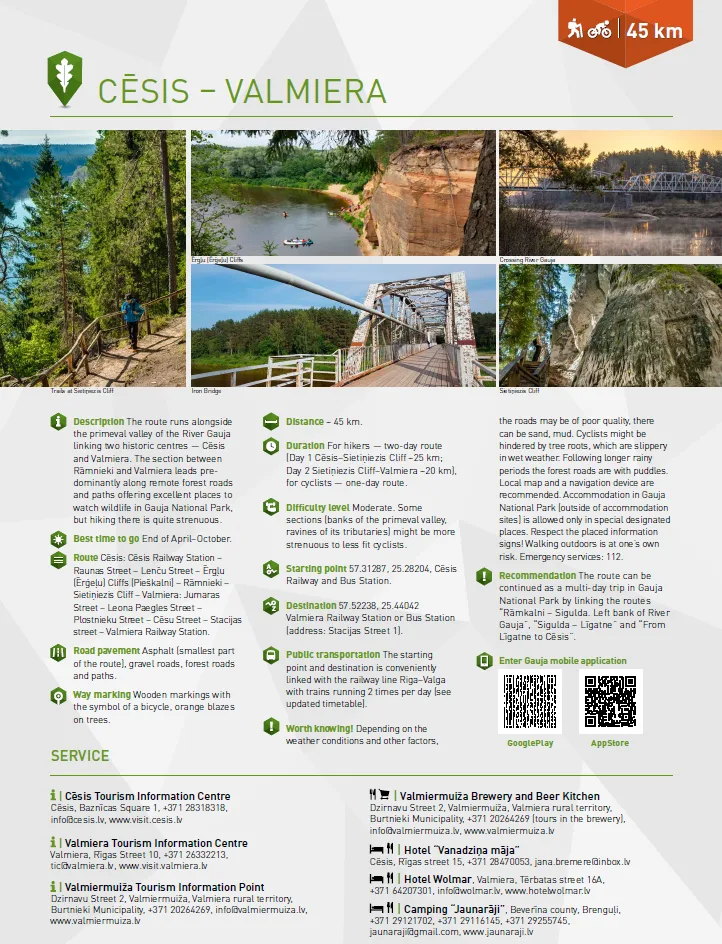
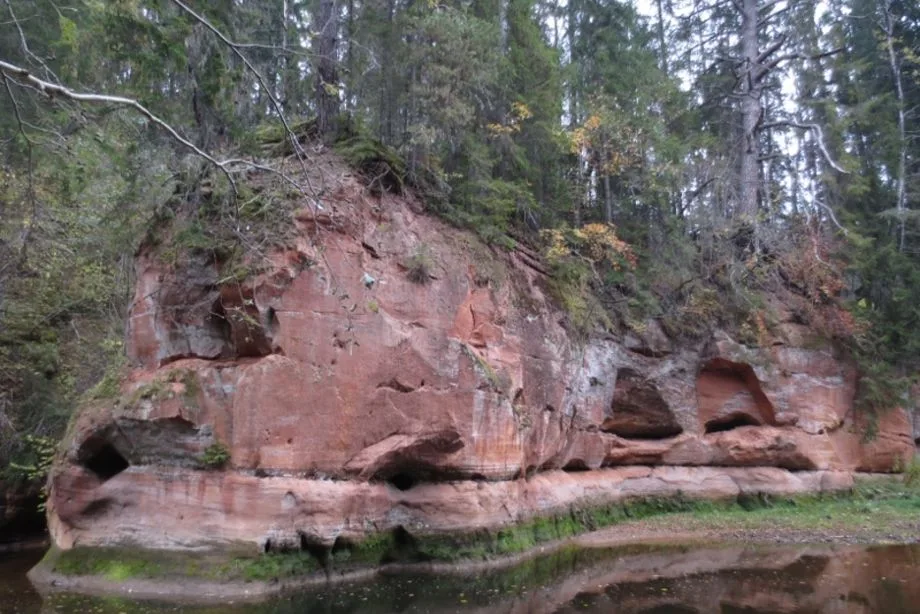
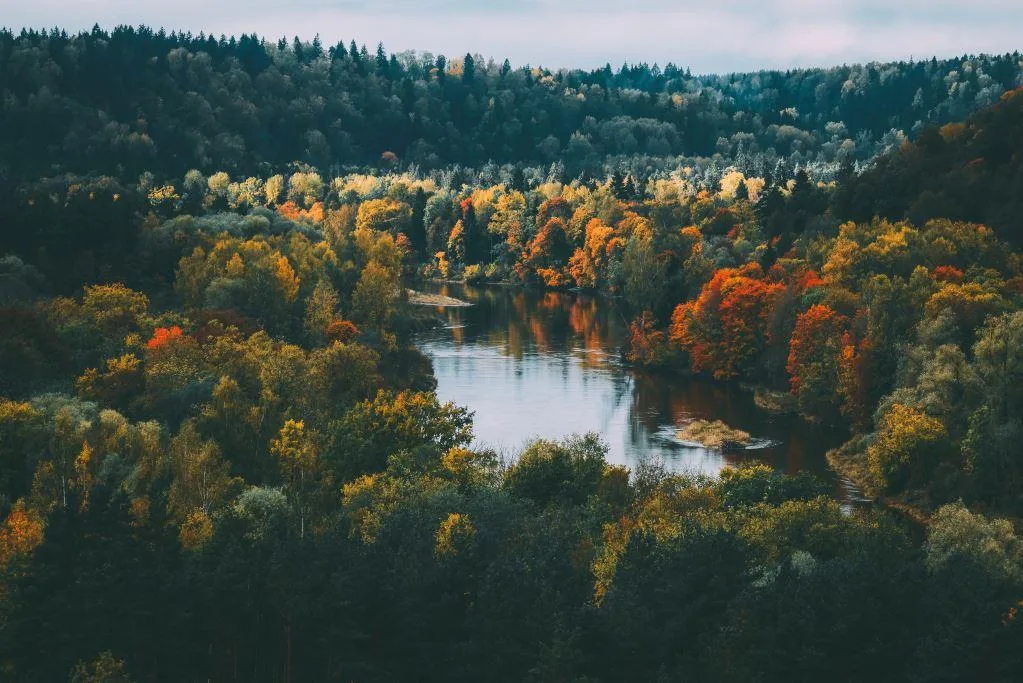
Gauja National Park is one of Latvia’s most beautiful natural reserves, featuring a diverse landscape of lush forests, stunning cliffs, and winding rivers. It is an outdoor enthusiast’s paradise, ideal for hiking, cycling, and kayaking. However, alongside the allure of nature lies the potential for unforeseen risks. It’s crucial to prioritize safety while you enjoy the rich experiences the park has to offer.
This guide is designed specifically for you—the outdoor adventurer eager to explore Gauja National Park. Within these pages, you will discover important safety measures to consider, how to prepare for medical emergencies in the wild, essential gear for safe trekking, emergency contacts within the park, and the local weather challenges to be aware of. Whether you are an experienced hiker or a first-time visitor, these essential wilderness first aid tips will help ensure you have a safe and enjoyable experience.
Let’s dive into your adventure while also keeping safety at the forefront.
Why Wilderness Safety is Crucial in Gauja National Park
As a popular destination for outdoor activities, Gauja National Park’s breathtaking landscapes can pose various risks. While you can immerse yourself in its beauty, it’s essential to remain vigilant and prepared for potential hazards.
Here are several key safety considerations:
-
Emergency Contact Information: Familiarize yourself with Latvia’s emergency services by remembering the number 112. Keep a fully charged mobile phone with you at all times in case you need to call for help.
-
Common Activities and Associated Risks: Activities such as hiking, cycling, and kayaking are favored in the park, yet they carry specific risks. For example, hikers can experience falls or sprains, while water sports can lead to accidents on the river.
While the natural beauty of Gauja National Park is exhilarating, being unprepared can lead to accidents. Ensuring your safety in the park is essential.
Stunning view of Gauja National Park showcasing lush greenery (Source: Latvia Travel)
Essential Safety Measures to Implement Before Hitting the Trails
Preparation is vital for a successful outdoor adventure. Before you set out, incorporate these essential safety measures:
-
Create a Detailed Itinerary: It’s wise to share your plans with someone who is not joining you. Include your intended route, expected return time, and emergency contact details.
-
Check the Weather: Gauja experiences variable weather conditions that can change rapidly. Checking the forecast before your hike will help you make informed decisions about your plans.
-
Use Reliable Navigation Tools: Familiarize yourself with a map or GPS device. Being able to navigate confidently will prevent you from getting lost in the park’s expansive terrain.
-
Pack Adequate Supplies: Bring plenty of water, snacks, a fully stocked first-aid kit, and clothing suitable for the weather to keep yourself safe and comfortable.
By implementing these preventive measures, you’ll significantly enhance your chances of having a safe and enjoyable experience in Gauja National Park.

Comprehensive wilderness safety checklist showing essential items for outdoor safety (Source: Business Form Template)
Packing for Safety: What Gear You Need for Gauja Adventures
Selecting the right gear is crucial for enjoying your adventure safely at Gauja National Park. Here’s what you should consider bringing:
-
Footwear: Invest in durable, waterproof hiking boots to protect your feet and ensure you have good traction on varied terrain.
-
Clothing Layers: Dress in layers to adjust to the park’s changing climate. Opt for moisture-wicking and breathable materials to stay dry and comfortable.
-
Navigation Tools: Carry a reliable map along with a compass or GPS device. These tools are especially important if you plan to explore off the main trails.
-
Safety Equipment: If you’re kayaking, wearing a personal flotation device (PFD) is essential. Additionally, a whistle can serve as a valuable tool in emergencies.
Choosing appropriate gear will help you mitigate risks and fully enjoy the stunning landscapes in Gauja National Park.

An infographic of essential hiking gear and safety equipment (Source: REI)
Emergency Response: What to Do When Things Go Wrong in the Wilderness
In case of an emergency during your adventure, knowing the proper responses is critical. Here are some basic steps to follow:
-
Basic First Aid Techniques: Equip yourself with essential first aid skills for treating common injuries, such as sprains or cuts. Ensure you have a well-stocked first-aid kit.
-
Wildlife Encounters: Remain aware of your surroundings while hiking. If you happen upon wildlife, it’s important to keep a safe distance. Avoid surprising animals, as this could lead to dangerous confrontations.
-
Emergency Services Framework: Be familiar with the park’s emergency response system. Know the nearby areas where help can be sought and how to contact them.
Should you find yourself in an emergency, remember to stay calm and prioritize getting assistance quickly. Be prepared to assess the situation and respond as needed.

Organized wilderness first aid kit demonstrating essential supplies for outdoor emergencies (Source: Shopify)
Where to Find Help: Knowing Emergency Contacts in the Park
Understanding how to access help in Gauja National Park is vital to your safety. Here are key elements to keep in mind:
-
Emergency Contacts: Always call 112 in case of emergencies. This number applies throughout Latvia, including Gauja National Park.
-
Local Medical Facilities: Know where nearby medical resources are located, such as the Krimulda rehabilitation center, in case you require medical assistance.
-
Statistics on Emergency Calls: Become informed about the frequency of emergency calls for different types of incidents. This knowledge can guide your preparation efforts.
By familiarizing yourself with emergency contacts in the park, you can venture forth with a greater sense of security.

Detailed map of Gauja National Park highlighting emergency service locations (Source: Enter Gauja)
Weather Wisdom: Understanding Gauja National Park’s Climate and Hazards
Weather can vary widely in Gauja National Park, which affects your outdoor activities. Here are essential factors to consider:
-
Seasonal Variability: Each season brings unique weather conditions, ranging from cold, snowy winters to warm summers. Always check the forecast before heading out, and adjust your gear accordingly.
-
Weather-Related Hazards: Be aware of risks such as hypothermia during cold weather or dehydration in the heat. Plan to hydrate and dress appropriately for the conditions you will be facing.
-
Gear Adjustments: Based on the weather forecast, be ready to make changes to your packing list. Waterproof gear is a necessity when rain is on the horizon.
Understanding and adapting to the climate allows you to prepare better and enhances your overall experience.

Representing seasonal changes in Gauja National Park that affect outdoor activities (Source: John The Go)
Final Thoughts: Adventure Awaits, Stay Safe
Exploring Gauja National Park is sure to be a rewarding experience, but your safety should always come first. By preparing adequately, understanding potential risks, and selecting the right gear, you can comfortably immerse yourself in the park’s beauty. As you plan your journeys, remember to embrace the adventure while respecting the necessary safety precautions.
Enjoy the stunning landscapes, share your experiences with fellow adventurers, and set out on your next journey armed with knowledge and care!

Inspiring image of a hiker enjoying the beautiful landscape of Gauja National Park (Source: Travel Elsewhere)